Hey there! As a supplier of Flexible Intermediate Bulk Containers (FIBC), I've seen firsthand how contamination can mess up the whole game. FIBCs are super handy for storing and transporting all sorts of stuff like powders, granules, and even some liquids. But if they get contaminated, it can lead to some serious problems, from product spoilage to safety hazards. So, let's dive into how we can prevent contamination in FIBCs.
1. Quality Raw Materials
The first step in preventing contamination starts right at the source - the raw materials. We always make sure to use high - quality polypropylene fabric for our FIBCs. This material is not only strong and durable but also resistant to many chemicals. It's important to source the fabric from reliable suppliers who follow strict quality control measures.
We also check for any signs of impurities in the fabric, like dust or foreign particles. A clean fabric means a lower risk of contamination from the start. If you're in the market for a reliable FIBC, you might want to check out our Skip FIBC. It's made from top - notch materials and is great for waste management and other applications.
2. Clean Manufacturing Environment
Our manufacturing facility is like a cleanroom for FIBCs. We keep the place spotless to prevent any external contaminants from getting into the bags during production. The floors are regularly swept and mopped, and the air is filtered to remove dust and other particles.
All the machinery used in the production process is also cleaned and maintained regularly. This includes sewing machines, cutting tools, and printing equipment. We even have a dedicated team that monitors the cleanliness of the manufacturing area on a daily basis. By keeping the environment clean, we can ensure that the FIBCs we produce are contamination - free.
3. Proper Handling and Storage
Once the FIBCs are made, how we handle and store them is crucial. During transportation, we make sure to use clean trucks and containers. The vehicles are inspected and cleaned before loading the FIBCs to prevent any cross - contamination.
When it comes to storage, we have a separate area for new and used FIBCs. New FIBCs are stored in a dry, clean warehouse away from any potential sources of contamination, like chemicals or dirt. Used FIBCs are inspected thoroughly, cleaned if necessary, and then stored separately to avoid mixing with new ones.
4. Employee Training
Our employees are the front - line warriors in the fight against contamination. That's why we provide them with comprehensive training on contamination prevention. They learn about the importance of cleanliness, proper handling techniques, and how to identify and report any signs of contamination.
We also have strict hygiene rules in place. Employees are required to wear clean uniforms, gloves, and hairnets when working with FIBCs. Regular handwashing is also emphasized to prevent the transfer of germs and other contaminants.
5. Testing and Certification
Before we send out our FIBCs to customers, we conduct a series of tests to ensure they meet the highest standards of quality and contamination prevention. These tests include checks for fabric strength, chemical resistance, and of course, contamination levels.
We also get our FIBCs certified by independent third - party organizations. These certifications serve as a guarantee to our customers that our products are safe and free from contamination. For example, our Conductive Container Bag has been tested and certified to meet the industry standards for preventing electrostatic discharge and contamination.
6. Customization for Specific Needs
Not all products are the same, and neither are their contamination prevention requirements. That's why we offer customization options for our FIBCs. For example, if a customer needs a bag for storing food products, we can use food - grade materials and add extra layers of protection to prevent contamination.
We also have different types of closures, liners, and coatings available to suit different applications. Our Circular FIBC Bag can be customized with special liners to prevent the leakage and contamination of sensitive materials.
7. Customer Education
We believe that educating our customers is just as important as our own contamination prevention efforts. When we supply FIBCs to our customers, we also provide them with guidelines on how to handle, store, and use the bags properly.
We explain the importance of following these guidelines to prevent contamination. We also offer support and advice to our customers if they have any questions or concerns about contamination prevention.
Conclusion
Preventing contamination in FIBCs is a multi - step process that involves everything from using high - quality raw materials to educating our customers. At our company, we take contamination prevention very seriously. We're committed to providing our customers with the highest quality FIBCs that are free from contamination.
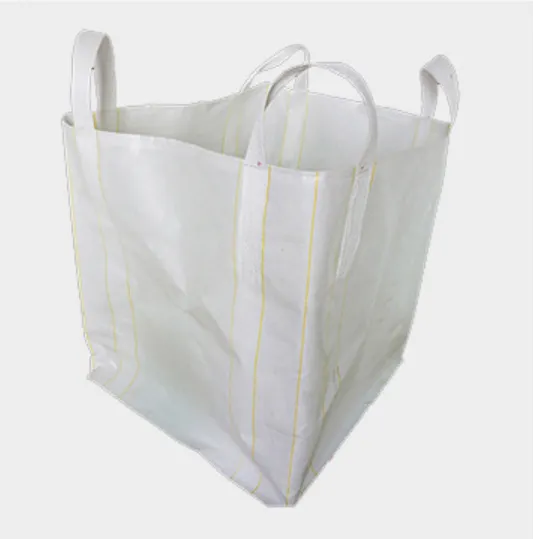

If you're in the market for FIBCs and want to ensure that your products are stored and transported safely, don't hesitate to get in touch with us. We can discuss your specific needs and provide you with the best solutions. Let's work together to keep your products contamination - free!
References
- "Flexible Intermediate Bulk Containers: Design, Testing, and Applications" by Some Author
- Industry standards and guidelines for FIBC manufacturing and contamination prevention