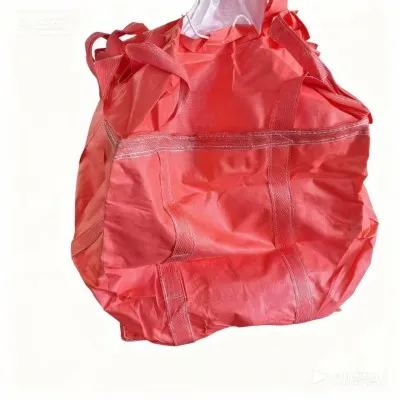
Hey there! I'm a supplier of Circular FIBC bags, and today I wanna have a chat about the materials these amazing bags are made of. Circular FIBC bags, also known as Flexible Intermediate Bulk Containers, are super handy for storing and transporting all sorts of bulk materials. So, let's dive right in and explore what goes into making them.
Polypropylene (PP)
The most common material used in Circular FIBC bags is polypropylene. It's a thermoplastic polymer that's known for its excellent strength, durability, and chemical resistance. Polypropylene is lightweight, which makes it easy to handle and transport, and it's also resistant to moisture, mold, and mildew. These properties make it ideal for use in FIBC bags, as they need to be able to withstand harsh environments and protect the contents inside.
One of the great things about polypropylene is that it can be recycled. This is a key feature of circular FIBC bags, as the goal is to create a closed-loop system where the bags can be reused or recycled at the end of their life cycle. When polypropylene FIBC bags reach the end of their useful life, they can be collected, shredded, and melted down to create new polypropylene products, including more FIBC bags. This not only reduces waste but also conserves resources and energy.
Conductive Additives
In some cases, Circular FIBC bags need to have conductive properties to prevent the build-up of static electricity. This is especially important when transporting flammable or explosive materials, as static electricity can cause sparks that could lead to a fire or explosion. To make FIBC bags conductive, conductive additives are added to the polypropylene during the manufacturing process.
These conductive additives can be in the form of carbon black, metal fibers, or other conductive materials. They create a conductive path within the bag, allowing static electricity to safely dissipate. If you're in the market for a Conductive FIBC Bag, you can check out Conductive FIBC Bag for more information.
Coating and Laminating
To enhance the performance of Circular FIBC bags, they may be coated or laminated with additional materials. Coating can improve the bag's resistance to moisture, UV radiation, and chemicals, while lamination can add strength and durability.
One common coating used on FIBC bags is polyethylene (PE). PE coating provides a waterproof barrier, protecting the contents of the bag from moisture. It also makes the bag easier to clean and maintain. Laminating the bag with a layer of PE or other materials can increase its tear strength and puncture resistance, making it more suitable for heavy-duty applications.
Antistatic and UV Stabilizers
Antistatic agents are often added to Circular FIBC bags to prevent the build-up of static electricity, even in non-conductive bags. These agents work by reducing the surface resistance of the bag, allowing static charges to dissipate more easily. This helps to prevent dust attraction and potential electrostatic discharge, which can be a safety hazard.
UV stabilizers are another important additive in FIBC bags, especially if they are going to be used outdoors. UV radiation from the sun can cause the polypropylene to degrade over time, weakening the bag and reducing its lifespan. UV stabilizers help to protect the bag from the harmful effects of UV radiation, ensuring that it remains strong and durable even when exposed to sunlight for extended periods.
Other Materials
Depending on the specific application, Circular FIBC bags may also incorporate other materials. For example, some bags may have a liner made of a different material, such as polyethylene or polyvinyl chloride (PVC). Liners can provide additional protection for the contents of the bag, especially if they are sensitive to moisture or chemicals.


The lifting loops and straps on FIBC bags are typically made of strong, durable materials such as polypropylene or nylon. These materials need to be able to withstand the weight of the bag and its contents during lifting and transportation. The stitching used to assemble the bag is also important, as it needs to be strong enough to hold the bag together under stress.
The Circular Economy Aspect
As a Circular FIBC bag supplier, I'm really passionate about the circular economy. The materials used in our bags are carefully selected not only for their performance but also for their recyclability. By using recycled materials in the manufacturing process and ensuring that our bags can be recycled at the end of their life, we're doing our part to reduce waste and conserve resources.
For example, we source polypropylene from recycled sources whenever possible. This not only reduces the demand for virgin materials but also helps to keep plastic waste out of landfills and the environment. And when our customers are done using our bags, we encourage them to return them to us for recycling. We then work with recycling partners to turn these used bags into new products, closing the loop and creating a more sustainable supply chain.
Different Types of Circular FIBC Bags
There are several different types of Circular FIBC bags, each designed for specific applications. One popular type is the Flexible Bulk Container. These containers are large, flexible bags that can hold a significant amount of bulk material. They are commonly used in industries such as agriculture, chemicals, and construction to transport and store products like grains, fertilizers, and powders.
Another type is the Three Lifting Bottom Ton Bag. These bags are designed with three lifting loops at the bottom, which provides more stability and balance when lifting and transporting heavy loads. They are often used for transporting dense or heavy materials, such as metals and minerals.
Why Choose Our Circular FIBC Bags
When you choose our Circular FIBC bags, you're not only getting a high-quality product but also contributing to a more sustainable future. Our bags are made from the best materials available, ensuring that they are strong, durable, and reliable. We use the latest manufacturing techniques and quality control measures to ensure that every bag meets our strict standards.
In addition to our commitment to quality and sustainability, we also offer excellent customer service. Our team of experts is always available to answer your questions and help you choose the right bag for your needs. Whether you're a small business or a large corporation, we can provide you with the right solution at a competitive price.
Let's Talk!
If you're interested in learning more about our Circular FIBC bags or have any questions about the materials we use, I'd love to hear from you. Whether you're looking for a standard bag or a custom solution, we can work with you to meet your specific requirements. So, don't hesitate to reach out and start a conversation about your FIBC bag needs. Let's work together to find the perfect solution for your business and contribute to a more sustainable world.
References
- ASTM International. (2023). Standard Specification for Flexible Intermediate Bulk Containers (FIBCs).
- European Federation of Bulk Packaging Manufacturers (FEFCO). (2023). Guidelines for the Safe Use of Flexible Intermediate Bulk Containers.
- Plastics Industry Association. (2023). Recycling and Sustainability in the Plastics Industry.