


Ensuring the quality of feed when stored in Top Feed Ton Bags is of utmost importance for both feed producers and end - users. As a supplier of Top Feed Ton Bags, I understand the challenges and requirements in this process. In this blog, I will share some key strategies to maintain feed quality during storage in our ton bags.
1. Selecting the Right Ton Bags
The first step in ensuring feed quality is choosing the appropriate Top Feed Ton Bags. Our company offers a variety of ton bags designed to meet different needs. For example, the Double - Layer Base Cloth Thickened Ton Bag is an excellent choice for feed storage. The double - layer base cloth provides enhanced strength and durability, protecting the feed from external damage and moisture.
The thickened structure can prevent punctures and tears that may occur during handling and storage. If you need a more flexible option, the PP Woven Jumbo Soft FIBC Bags are suitable. These bags are made of polypropylene woven fabric, which is lightweight yet strong. They can adapt to different shapes of storage spaces and are easy to stack.
2. Monitoring and Controlling Storage Conditions
Temperature, humidity, and ventilation are crucial factors that affect feed quality. Feed should be stored in a cool and dry place. High temperatures can accelerate the oxidation of fats in the feed, leading to rancidity. Humidity can cause the growth of mold and bacteria, which can contaminate the feed and reduce its nutritional value.
We recommend using a temperature and humidity monitoring system to keep track of the storage environment. If the temperature or humidity exceeds the recommended range, appropriate measures should be taken. For example, if the humidity is too high, dehumidifiers can be used to reduce moisture in the storage area. Good ventilation is also essential to prevent the accumulation of heat and moisture. Ensure that the storage area has proper air circulation to maintain a stable environment for the feed in the ton bags.
3. Preventing Pest Infestation
Pests such as rodents and insects can cause significant damage to feed stored in ton bags. Rodents can chew through the bags and contaminate the feed with their feces and urine. Insects can also infest the feed, reducing its quality.
To prevent pest infestation, the storage area should be kept clean and free of debris. Regularly inspect the ton bags for any signs of damage or pest activity. Seal any holes or gaps in the storage area to prevent pests from entering. Additionally, using pest - control measures such as traps and baits can be effective in keeping pests away. However, it is important to ensure that the pest - control products used are safe for the feed and do not contaminate it.
4. Proper Handling and Stacking
During the handling and stacking of Top Feed Ton Bags, care should be taken to avoid damage to the bags and the feed inside. Rough handling can cause the bags to tear or puncture, exposing the feed to the environment. When stacking the bags, ensure that they are stacked evenly and stably. Do not stack the bags too high, as this can cause the bottom bags to be crushed.
We also recommend using appropriate handling equipment, such as forklifts and pallet jacks, to move the ton bags. These equipment should be operated by trained personnel to ensure safe and efficient handling. If you need to transport the ton bags, make sure that the transportation vehicle is clean and dry, and the bags are secured properly to prevent movement and damage during transit.
5. Quality Inspection of Feed and Ton Bags
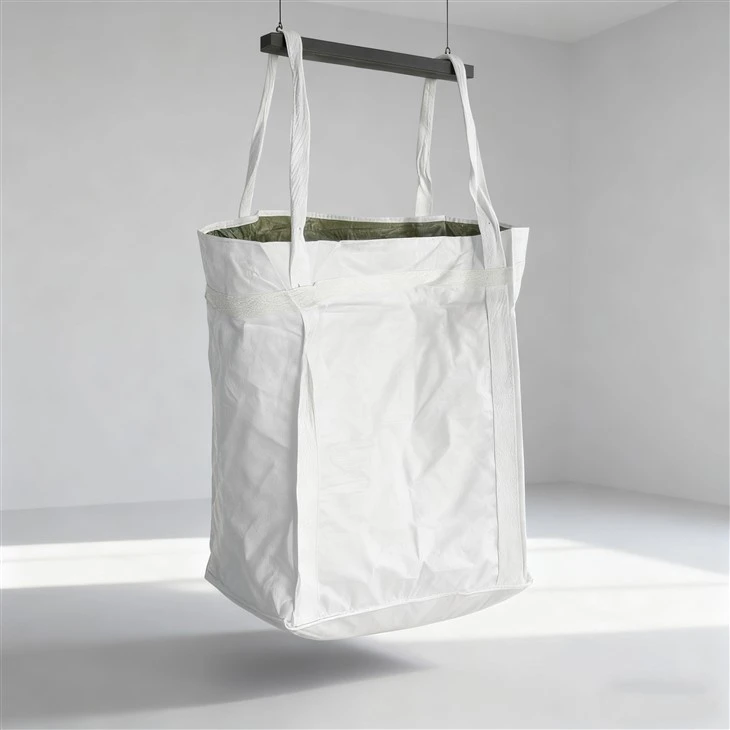
Regular quality inspection of both the feed and the ton bags is essential. Before filling the ton bags with feed, inspect the bags for any defects, such as holes, weak seams, or discoloration. Any damaged bags should not be used to store feed.

For the feed, conduct regular quality tests to check for factors such as moisture content, nutrient levels, and the presence of contaminants. If any issues are detected, take appropriate actions, such as adjusting the storage conditions or replacing the feed.
6. Using Specialized Features of Ton Bags
Some of our Top Feed Ton Bags come with specialized features that can enhance feed quality. For instance, the Portable And Easy - to - operate Bridge Preloading Bags can be used in specific applications. These bags can be easily transported and set up, and they may have features that help in maintaining the integrity of the feed.
Some ton bags may have anti - static properties, which can prevent the accumulation of static electricity and reduce the risk of dust explosion. Others may have UV - resistant coatings, protecting the feed from the harmful effects of sunlight if the bags are stored outdoors for a short period.
Contact for Procurement
Ensuring feed quality when stored in Top Feed Ton Bags is a multifaceted process that requires careful consideration of various factors. As a reliable Top Feed Ton Bag supplier, we are committed to providing high - quality products and professional advice to help you achieve the best results in feed storage.
If you are interested in our Top Feed Ton Bags or have any questions about feed storage solutions, please feel free to contact us. We are ready to have in - depth discussions about your specific needs and provide customized solutions.
References
- "Feed Storage and Preservation: Best Practices" by Feed Industry Association.
- "Plastic Packaging for Feed: Design and Performance" by Packaging Research Institute.
- "Pest Management in Feed Storage Facilities" by Agricultural Extension Service.


