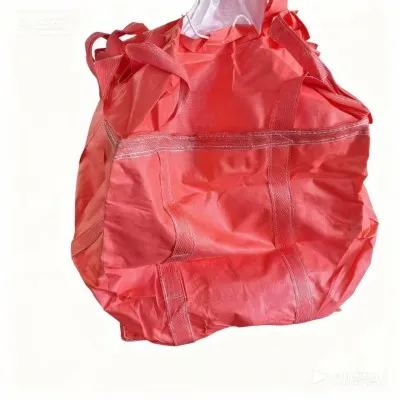
The surface texture of flat bottom ton bags is a crucial aspect that impacts their performance, durability, and functionality. As a supplier of Flat Bottom Ton Bags, I've had the opportunity to closely examine and understand the various surface textures available in the market and how they suit different applications.
Understanding the Basics of Flat Bottom Ton Bags
Flat bottom ton bags, also known as FIBCs (Flexible Intermediate Bulk Containers), are large, flexible containers designed to store and transport bulk materials. They are commonly used in industries such as agriculture, chemicals, construction, and food processing. These bags are favored for their high capacity, ease of handling, and cost - effectiveness.
The flat bottom design provides stability during storage and transportation, making them suitable for stacking. The surface texture of these bags can vary significantly, and each type has its own set of advantages.
Different Surface Textures of Flat Bottom Ton Bags
Smooth Surface
Smooth - textured flat bottom ton bags are perhaps the most common type. The smooth surface is achieved through a precise manufacturing process that results in a uniform and sleek exterior. This texture offers several benefits. Firstly, it is easy to clean. In industries where hygiene is a top priority, such as the food and pharmaceutical sectors, smooth - surfaced bags can be quickly wiped down or washed to remove any residue.
Secondly, the smooth surface reduces friction. This is particularly important when the bags are being loaded or unloaded. For example, when using conveyor belts to move the bags, a smooth surface allows for a more efficient and seamless transfer. Additionally, smooth - textured bags are less likely to snag on other objects during handling, reducing the risk of damage.
However, smooth - surfaced bags may have some limitations. They may not provide as much grip as other textures, which can be a concern when stacking the bags on a sloped or uneven surface.
Woven Surface
Woven surface flat bottom ton bags are characterized by their visible weave pattern. This texture is created by interlacing threads during the manufacturing process. Woven bags are known for their strength and durability. The interwoven structure distributes stress evenly across the bag, making it more resistant to tearing and puncturing.
In industries that deal with heavy or abrasive materials, such as construction and mining, woven - textured bags are often the preferred choice. For instance, when transporting gravel or sand, the woven surface can withstand the rough handling and abrasion caused by these materials.
The woven texture also provides a certain amount of breathability. This is beneficial for materials that need to “breathe,” such as agricultural products like grains or seeds. The breathability helps prevent the build - up of moisture inside the bag, reducing the risk of mold and spoilage.
On the downside, the woven surface may collect dirt and debris more easily compared to a smooth surface. Cleaning a woven bag can be more challenging, especially if the debris has become lodged in the weave.
Coated Surface
Coated flat bottom ton bags have a layer of coating applied to their surface. This coating can be made of various materials, such as polyethylene or PVC. The main advantage of a coated surface is its enhanced resistance to moisture. For materials that are sensitive to water, like chemicals or certain food products, a coated bag provides an extra layer of protection.
The coating also makes the bag more resistant to UV rays. This is important for outdoor storage, as prolonged exposure to sunlight can degrade the bag material over time. A coated surface can extend the lifespan of the bag when used in outdoor environments.


However, coated bags can be more expensive than non - coated ones due to the additional manufacturing step. Also, the coating may make the bag less flexible compared to a non - coated bag, which can be a drawback in some applications where flexibility is required.
Impact of Surface Texture on Different Applications
Agriculture
In the agricultural industry, the surface texture of flat bottom ton bags plays a vital role. For storing and transporting grains, a woven or semi - woven surface is often preferred. The breathability of the woven texture helps keep the grains fresh by allowing air circulation. As mentioned earlier, this reduces the risk of mold and spoilage.
On the other hand, when dealing with fertilizers or pesticides, a smooth or coated surface may be more appropriate. These materials are often in powder or liquid form, and a smooth or coated surface makes it easier to clean the bag after use, preventing cross - contamination.
Chemical Industry
The chemical industry has strict requirements for the storage and transportation of its products. For hazardous chemicals, a coated flat bottom ton bag is usually the best option. The coating provides a barrier against leaks and spills, protecting both the environment and the workers handling the bags.
For non - hazardous chemicals, a smooth or woven surface may be sufficient. A smooth surface allows for easy inspection of the bag for any signs of damage, while a woven surface offers the necessary strength to withstand the weight of the chemicals.
Food Processing
In the food processing industry, hygiene is of utmost importance. Smooth - textured flat bottom ton bags are commonly used for storing and transporting food products. They can be easily sanitized to meet the strict food safety standards. Additionally, the smooth surface reduces the risk of food particles getting trapped, which could lead to contamination.
How Surface Texture Affects the Supply Chain
The surface texture of flat bottom ton bags can have a significant impact on the supply chain. For example, in terms of storage, bags with a smooth or flat surface are easier to stack neatly, maximizing the use of storage space. This is crucial for warehouses with limited space.
During transportation, the texture affects the handling of the bags. A texture that reduces friction, like a smooth surface, can make loading and unloading faster and more efficient. On the other hand, a texture that provides grip, such as a woven surface, can prevent the bags from slipping during transit, ensuring the safety of the cargo.
Choosing the Right Surface Texture
As a supplier of Flat Bottom Ton Bag, I understand that choosing the right surface texture depends on several factors. Firstly, consider the type of material to be stored or transported. If it is a heavy, abrasive material, a woven texture may be the best choice. If it is a moisture - sensitive or food product, a smooth or coated surface may be more appropriate.
Secondly, think about the handling and storage conditions. If the bags will be stacked on a sloped surface, a texture that provides good grip is essential. If the bags will be exposed to sunlight or moisture, a coated surface may be necessary.
Finally, cost is also a factor. Coated bags are generally more expensive than non - coated ones, so it's important to balance the benefits of the texture with the budget.
Conclusion
The surface texture of flat bottom ton bags is a complex but important aspect that should not be overlooked. Each texture has its own unique advantages and disadvantages, and the choice depends on the specific requirements of the application. As a supplier, I am committed to providing high - quality flat bottom ton bags with the right surface texture to meet the diverse needs of my customers.
If you are in need of flat bottom ton bags for your business, I encourage you to reach out to discuss your specific requirements. Whether you are looking for a Giant Bagged Asphalt solution or a Top Feed Ton Bag, I am here to help you make the best choice.
References
- Handbook of Flexible Intermediate Bulk Containers (FIBCs): Design, Manufacturing, and Applications
- Journal of Packaging Science and Technology articles on the performance of different FIBC textures
- Industry reports on the use of flat bottom ton bags in various sectors