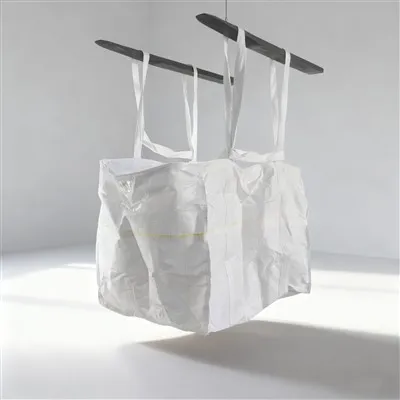
Hey there! As a supplier of Top Feed Ton Bags, I've seen my fair share of issues when it comes to feed leakage. It's a real headache for everyone involved – from farmers to feed manufacturers. Not only does it lead to wasted feed, but it can also create a mess and potentially cause environmental problems. So, in this blog, I'm gonna share some tips on how to prevent feed from leaking out of Top Feed Ton Bags.
Understanding the Causes of Feed Leakage
Before we dive into the solutions, it's important to understand what causes feed to leak out of these bags in the first place. There are a few common culprits:
- Poor Sealing: If the bag isn't sealed properly, feed can easily escape through the seams or openings. This can happen during the manufacturing process or if the bag is damaged during handling.
- Weak Material: Some bags are made from low-quality materials that aren't strong enough to hold the feed. Over time, the material can tear or puncture, allowing feed to leak out.
- Improper Handling: Rough handling of the bags, such as dropping or dragging them, can cause damage to the bag and lead to leakage. Additionally, if the bags are stacked too high or in an unstable manner, they can collapse and spill the feed.
Choosing the Right Top Feed Ton Bag
One of the most important steps in preventing feed leakage is choosing the right bag. Here are some factors to consider:
- Quality Material: Look for bags made from high-quality, durable materials that can withstand the weight and pressure of the feed. Polypropylene is a popular choice for Top Feed Ton Bags because it's strong, lightweight, and resistant to moisture and chemicals.
- Proper Sealing: Make sure the bag has a tight seal to prevent feed from leaking out. Look for bags with heat-sealed seams or zipper closures for added security.
- Appropriate Size and Capacity: Choose a bag that's the right size and capacity for your needs. If the bag is too small, it may not be able to hold all the feed, while a bag that's too large can be difficult to handle and may increase the risk of leakage.
Proper Bag Installation and Filling
Once you've chosen the right bag, it's important to install and fill it properly to prevent leakage. Here are some tips:
- Inspect the Bag: Before filling the bag, inspect it carefully for any signs of damage or defects. If you notice any tears, holes, or weak spots, don't use the bag.
- Use a Filling Station: To ensure even filling and prevent overloading, use a filling station that's designed for Top Feed Ton Bags. This will help distribute the feed evenly throughout the bag and reduce the risk of leakage.
- Fill the Bag Slowly: When filling the bag, do it slowly and steadily to avoid creating air pockets or causing the feed to spill over the sides. Use a conveyor belt or other equipment to transfer the feed into the bag.
- Seal the Bag Tightly: Once the bag is filled, seal it tightly using the appropriate method. If the bag has a heat-sealed seam, make sure it's properly sealed to prevent feed from leaking out. If the bag has a zipper closure, zip it up all the way and secure it with a tie or clip.
Handling and Storage
Proper handling and storage of Top Feed Ton Bags are also crucial in preventing feed leakage. Here are some guidelines:
- Handle with Care: When moving or transporting the bags, handle them gently to avoid damaging the bag. Use a forklift or other equipment to lift and move the bags, and avoid dropping or dragging them.
- Stack the Bags Properly: If you need to stack the bags, make sure they're stacked in a stable manner to prevent them from collapsing. Use a pallet or other support structure to keep the bags upright and prevent them from shifting.
- Store the Bags in a Dry Place: Moisture can weaken the bag material and increase the risk of leakage. Store the bags in a dry, cool place away from direct sunlight and moisture.
- Check the Bags Regularly: Periodically check the bags for any signs of damage or leakage. If you notice any issues, take immediate action to prevent further leakage.
Additional Tips and Resources
In addition to the above tips, there are a few other things you can do to prevent feed leakage from Top Feed Ton Bags. Here are some additional tips:


- Use Liners: Consider using liners inside the bags to provide an extra layer of protection against leakage. Liners can help prevent feed from coming into contact with the bag material and reduce the risk of damage.
- Invest in Quality Equipment: Using high-quality equipment, such as filling stations, forklifts, and pallets, can help ensure proper handling and installation of the bags, reducing the risk of leakage.
- Follow Manufacturer's Instructions: Always follow the manufacturer's instructions for using and handling the Top Feed Ton Bags. This will help ensure that the bags are used correctly and that you're taking all the necessary steps to prevent leakage.
If you're interested in learning more about Top Feed Ton Bags and how to prevent feed leakage, I recommend checking out these resources:
- Portable And Easy-to-operate Bridge Preloading Bags: These bags are designed for easy installation and operation, making them a great choice for preventing feed leakage.
- Anti-static FIBC Bag: Anti-static bags are designed to prevent static electricity from building up, which can cause feed to stick to the bag and increase the risk of leakage.
- Parallel Bottom Dual Lifting Loops Bulk Bag: These bags are designed with parallel bottom dual lifting loops for easy handling and transportation, reducing the risk of damage and leakage.
Conclusion
Preventing feed leakage from Top Feed Ton Bags is essential for ensuring the quality and safety of your feed. By choosing the right bag, installing and filling it properly, handling and storing it with care, and following these tips and resources, you can significantly reduce the risk of leakage and save money on wasted feed.
If you're interested in purchasing Top Feed Ton Bags or have any questions about preventing feed leakage, please don't hesitate to contact me. I'd be happy to help you find the right solution for your needs.
References
- "Best Practices for Handling and Storing FIBCs." FIBC Association, 2023.
- "How to Choose the Right FIBC for Your Application." Bulk Handling Systems, 2023.
- "Preventing Feed Leakage in Bulk Bags." Feed Management, 2023.