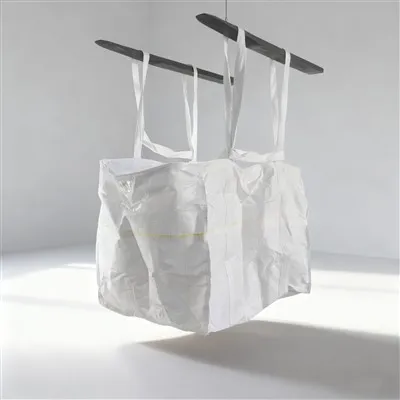
As a supplier of FIBC sling bags, I understand that dealing with wet bags can be a common and frustrating issue for many of our customers. FIBC, or Flexible Intermediate Bulk Container, sling bags are widely used in various industries for transporting and storing bulk materials. When these bags get wet, it not only affects their functionality but also the quality of the contents they carry. In this blog post, I will share some effective methods on how to dry a wet FIBC sling bag.
Understanding the Problem
Before we dive into the drying methods, it's important to understand why a wet FIBC sling bag can be a problem. FIBC sling bags are typically made of woven polypropylene, which is a durable and lightweight material. However, when it gets wet, the moisture can cause several issues. Firstly, it can weaken the fabric, reducing its strength and lifespan. Secondly, if the bag is used to carry hygroscopic materials (materials that absorb moisture), the wet bag can cause the contents to clump or degrade. Lastly, a wet bag can promote the growth of mold and mildew, which can not only damage the bag but also pose a health risk.


Initial Steps
The first step when you discover a wet FIBC sling bag is to assess the extent of the damage. If the bag is only slightly damp, you may be able to dry it relatively quickly. However, if it is completely soaked, it will require more time and effort. Remove the contents of the bag immediately to prevent any damage to the materials inside. If the contents are sensitive to moisture, transfer them to a dry container as soon as possible.
Air Drying
One of the simplest and most effective ways to dry a wet FIBC sling bag is through air drying. This method is suitable for bags that are only slightly damp or for smaller bags. Here's how you can do it:
- Hang the Bag: Find a well - ventilated area, preferably outdoors or in a large, airy room. Hang the bag up by its slings so that air can circulate around it. Make sure the bag is spread out as much as possible to allow for maximum air exposure.
- Turn the Bag Inside Out: After a few hours, turn the bag inside out. This will ensure that both the inside and outside of the bag dry evenly.
- Check for Dryness: Periodically check the bag for dryness. You can do this by touching the fabric. If it feels dry to the touch and there is no moisture on your hand, the bag is likely dry.
Using a Fan
If air drying alone is not sufficient, you can use a fan to speed up the process. A fan can increase the airflow around the bag, helping to evaporate the moisture more quickly. Place the fan near the hanging bag and direct the airflow towards it. You can adjust the speed of the fan depending on how wet the bag is. For a very wet bag, you may want to use a high - speed setting.
Dehumidifier
In a humid environment, using a dehumidifier can be a great way to dry a wet FIBC sling bag. A dehumidifier works by removing moisture from the air, which in turn helps the bag to dry faster. Place the wet bag in a room with a dehumidifier and set the dehumidifier to a low humidity level. This method is especially useful for larger bags or bags that are very wet.
Heat Drying
Heat drying can be an option for drying a wet FIBC sling bag, but it should be done with caution. Excessive heat can damage the polypropylene fabric of the bag. If you choose to use heat, you can use a low - heat setting on a clothes dryer. Place the bag in the dryer with a few clean, dry towels. The towels will absorb some of the moisture from the bag. Set the dryer to a short cycle and check the bag frequently to ensure it is not overheating.
Sun Drying
Sun drying is another option, but it also has its drawbacks. While the sun's heat can help to evaporate the moisture, prolonged exposure to sunlight can cause the polypropylene fabric to fade and become brittle over time. If you choose to sun dry the bag, do it for short periods and make sure to move the bag to a shaded area once it is dry.
Drying Large or Heavily Soaked Bags
For large FIBC Jumbo Sling Big Bag or bags that are heavily soaked, you may need to combine multiple drying methods. Start by draining as much water as possible from the bag. You can do this by gently squeezing the bag or using a sponge to soak up the excess water. Then, hang the bag up for air drying and use a fan to increase the airflow. If necessary, use a dehumidifier in the room to create a dry environment.
Preventing Future Moisture Issues
Once the bag is dry, it's important to take steps to prevent future moisture issues. Store the bags in a dry, cool place away from any sources of moisture. If possible, use moisture - resistant covers or containers to protect the bags. Additionally, consider using TYPE - C Container Bag if you are transporting materials in a humid environment. These bags are designed to be more resistant to moisture.
Conclusion
Drying a wet FIBC sling bag requires patience and the right approach. By following the methods outlined in this blog post, you can effectively dry your wet bags and prevent any damage to the bags and their contents. As a supplier of FIBC sling bags, we are committed to providing high - quality products and helpful advice to our customers. If you have any questions about drying your FIBC sling bags or are interested in purchasing new bags, please feel free to contact us for more information. We look forward to discussing your needs and helping you find the best solutions for your bulk material handling requirements.
References
- "Flexible Intermediate Bulk Containers: Design, Testing, and Use" by various industry experts.
- Manufacturer's guidelines for FIBC sling bags.