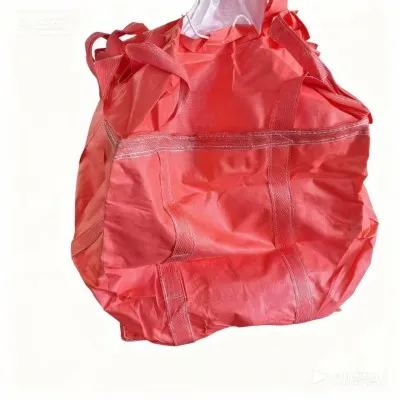
As a supplier of Circular Ton Bags, I often encounter inquiries about the suitability of our products for various materials. One common question that has come up recently is whether circular ton bags can be used for gypsum. In this blog post, I will delve into this topic, exploring the properties of gypsum, the features of circular ton bags, and the compatibility between the two.
Understanding Gypsum
Gypsum is a soft sulfate mineral composed of calcium sulfate dihydrate (CaSO₄·2H₂O). It is widely used in a variety of industries, including construction, agriculture, and manufacturing. In the construction industry, gypsum is a key ingredient in plaster, drywall, and cement. In agriculture, it is used as a soil conditioner to improve soil structure and fertility. In manufacturing, gypsum is used in the production of glass, ceramics, and other materials.
One of the key properties of gypsum is its hygroscopic nature, which means it has a tendency to absorb moisture from the surrounding environment. This can lead to issues such as caking, clumping, and degradation if the gypsum is not stored and transported properly. Additionally, gypsum can be abrasive, especially when it is in a dry, powdered form. This can cause wear and tear on the containers used to store and transport it.
Features of Circular Ton Bags
Circular ton bags, also known as flexible intermediate bulk containers (FIBCs), are large, flexible bags designed to hold and transport bulk materials. They are typically made of woven polypropylene, a strong and durable material that is resistant to tearing, puncturing, and abrasion. Circular ton bags come in a variety of sizes and capacities, ranging from a few hundred kilograms to several tons.
One of the main advantages of circular ton bags is their flexibility. They can be easily folded and stored when not in use, taking up minimal space. They are also lightweight, which makes them easy to handle and transport. Additionally, circular ton bags are designed with features such as lifting loops and discharge spouts, which make them easy to load and unload.
Another important feature of circular ton bags is their ability to provide protection for the materials they contain. They can be lined with a variety of materials, such as polyethylene or polypropylene, to provide additional protection against moisture, dust, and other contaminants. Some circular ton bags are also designed with anti-static properties to prevent the buildup of static electricity, which can be a safety hazard when handling certain materials.


Compatibility between Circular Ton Bags and Gypsum
Based on the properties of gypsum and the features of circular ton bags, it is clear that circular ton bags can be a suitable option for storing and transporting gypsum. Here are some of the reasons why:
- Durability: The woven polypropylene material used to make circular ton bags is strong and durable, which makes it resistant to the abrasive nature of gypsum. This means that the bags can withstand the wear and tear caused by the gypsum during storage and transport.
- Moisture Resistance: To address the hygroscopic nature of gypsum, circular ton bags can be lined with a moisture-resistant material, such as polyethylene. This helps to prevent the gypsum from absorbing moisture from the surrounding environment, which can lead to caking and clumping.
- Flexibility: The flexibility of circular ton bags makes them easy to handle and transport, even when filled with heavy loads of gypsum. They can be easily loaded and unloaded using forklifts or other handling equipment, which makes them a convenient option for gypsum storage and transport.
- Cost-Effectiveness: Circular ton bags are a cost-effective option for storing and transporting gypsum. They are relatively inexpensive compared to other types of containers, such as drums or silos, and they can be reused multiple times, which helps to reduce costs in the long run.
Considerations for Using Circular Ton Bags with Gypsum
While circular ton bags can be a suitable option for storing and transporting gypsum, there are some considerations that need to be taken into account to ensure the safe and effective use of the bags. Here are some of the key considerations:
- Bag Selection: When selecting circular ton bags for gypsum, it is important to choose bags that are designed to handle the specific requirements of the material. This includes choosing bags with the appropriate capacity, strength, and lining material. For example, if the gypsum is particularly abrasive, it may be necessary to choose bags with a thicker or more durable lining material.
- Storage Conditions: To prevent the gypsum from absorbing moisture and caking, it is important to store the circular ton bags in a dry, cool environment. This can help to extend the shelf life of the gypsum and ensure that it remains in good condition during storage and transport.
- Handling and Transport: When handling and transporting circular ton bags filled with gypsum, it is important to follow proper safety procedures to prevent accidents and injuries. This includes using appropriate handling equipment, such as forklifts or pallet jacks, and ensuring that the bags are properly secured during transport.
Other Applications of Circular Ton Bags
In addition to gypsum, circular ton bags can be used for a wide range of other materials, including food products, chemicals, and minerals. For example, Food Grade Bulk Bags are specifically designed for the storage and transport of food products, while Anti-Static Jumbo Bags are designed to prevent the buildup of static electricity when handling flammable or explosive materials. Large Flat Mouth Ton Bag are also available for applications where easy access to the contents of the bag is required.
Conclusion
In conclusion, circular ton bags can be a suitable option for storing and transporting gypsum. Their durability, moisture resistance, flexibility, and cost-effectiveness make them a popular choice for a wide range of industries. However, it is important to choose the right bags for the specific requirements of the gypsum and to follow proper storage, handling, and transport procedures to ensure the safe and effective use of the bags.
If you are interested in purchasing circular ton bags for your gypsum storage and transport needs, please feel free to contact us. We are a leading supplier of high-quality circular ton bags, and we can provide you with the products and services you need to meet your requirements. Our team of experts can help you choose the right bags for your application and provide you with advice on how to use and maintain the bags to ensure their long-term performance.
References
- ASTM International. (2023). Standard Specification for Flexible Intermediate Bulk Containers (FIBCs). ASTM D3990-23.
- European Federation of Bulk Bag Manufacturers and Associations (FIBCA). (2023). Guidelines for the Safe Use of Flexible Intermediate Bulk Containers (FIBCs).
- International Organization for Standardization (ISO). (2023). ISO 21898:2023 - Flexible intermediate bulk containers - Safety requirements.