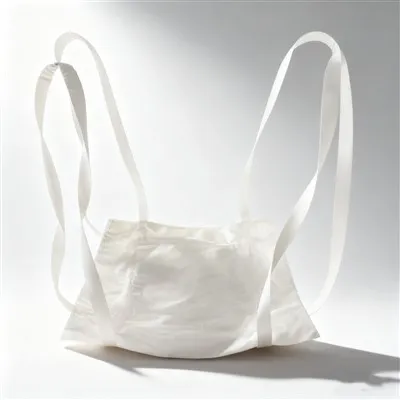
Standardized, scientific storage is essential to maintaining stable performance, extending service life and preventing premature aging and damage of Polypropylene Bags. Proper storage keeps unused bags flat, tough and in good condition for secondary use anytime. The core storage rules can be condensed into five points: avoid light, keep dry, maintain ventilation, prevent pressure and resist corrosion. Storage falls into two categories based on usage state: empty bag storage and loaded bag storage, each with slightly different operational standards to preserve product performance to the fullest.
Empty bag storage is the most common scenario and requires thorough pre-storage preparation. First, completely remove dust, oil stains, leftover material fragments and other impurities from bag surfaces to ensure the bags are fully dry and clean with no residual moisture or stains. Storing damp, contaminated bags directly will easily trigger internal mildew, surface adhesion and minor material corrosion, gradually eroding the bags' toughness. After cleaning, flatten and fold the bags neatly to reduce random bending, which prevents material fatigue and reduced toughness caused by long-term local compression that would impair subsequent load-bearing capacity.
Storage site selection directly impacts the preservation quality of Polypropylene Bags. Sealed, dry, well-ventilated indoor warehouses are the only acceptable storage spaces; long-term outdoor stacking is strictly forbidden. Place bags on pallets or shelves far from ground puddles and damp wall sections to block ground moisture and prevent surface softening and mildew. Strictly avoid direct sunlight and ultraviolet radiation, as extended exposure accelerates polypropylene material aging, leading to brittleness, reduced toughness and cracking, and drastically shortening service life. Additionally, keep bags separated from boilers, radiators and other high-temperature machinery to prevent thermal deformation and hardening.
When stacking, strictly control height and load weight and avoid over-tall, over-heavy piles. When stacked in large quantities, bottom-layer Polypropylene Bags bear continuous heavy pressure from upper layers, resulting in permanent wrinkling, overall deformation and even damage to internal woven fiber structures, which lowers subsequent tensile and tear resistance. Stack neatly in layers with sufficient ventilation gaps to maintain air circulation and prevent material deterioration from enclosed, humid environments. Keep the storage area clean and dry, and stay clear of acid-base liquids, chemical corrosives, oil stains, salt and other harmful substances that cause material corrosion, discoloration and degradation.
For Polypropylene Bags filled with materials, adjust storage methods moderately based on material characteristics while complying with the above baseline standards. Bags holding dry powder and granular materials only require regular ventilated stacking plus moisture and dust protection. Bags containing slightly damp goods need enhanced ventilation and routine inspections to prevent material adhesion and deterioration from accumulated moisture. Carry out regular checks on storage conditions and bag status, and promptly clear site impurities and hidden damp risks. When all above specifications are followed strictly, Polypropylene Bags can be stored long-term with stable performance, free of aging, deterioration or damage, and support repeated cyclic use.

 English
- Português
- Deutsch
- Français
- русский
- Български
- Nederlands
- 日本語
- Türkçe
- O'zbek
- اردو
- Ελληνικά
- Català
- magyar
- Svenska
- Lietuvių
- Việt Nam
- 한국어
- Español
- Italiano
- عربي
- Čeština
- ไทย
- Eesti
- Gaeilgenah Éireann
- Bai Miaowen
- íslenska
- Cymraeg
- Polski
- hrvatski
- українська
- bosanski
- فارسی
- Latviešu
- עברית
- România limbi
- dansk
- Norsk
- suomi
- slovenčina
- slovenščina
- हिंदी
- Indonesia
- Melayu
- Malti
- Kreyòl Ayisyen
- বাংলা
- Srbija jezik (latinica)