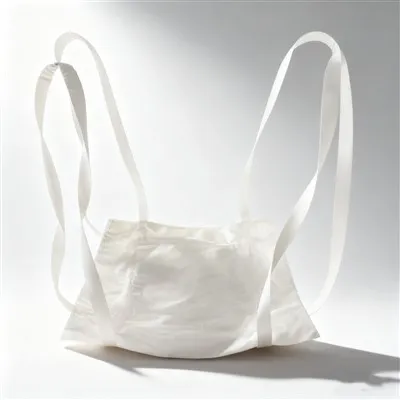
Flexible pallets (Flexible Container Bags/Bulk Bags) can be divided into the following main types based on their material, structure, purpose, and functional characteristics. Each type differs in load capacity, applicable scenarios, and cost:
Classification by Material
♦ Polypropylene (PP) Woven Soft Pallet
Features: Woven polypropylene fabric as the base material, with a surface treated with UV protection and anti-static treatment, making it wear-resistant and aging-resistant, with a long service life (typically 3-5 years).
Advantages: Low cost (only 1/3 the price of a plastic pallet), lightweight (approximately 2-5 kg), and recyclable.
Applications: Bulk cargo transportation such as fertilizers, cement, and grain, as well as the food and pharmaceutical industries with strict environmental requirements.
♦ High-Density Polyethylene (HDPE) Soft Pallet
Features: Made of HDPE coating or composite materials, it offers excellent waterproof and moisture-proof properties and is resistant to low temperatures (down to -40°C).
Advantages: Suitable for humid environments, such as coastal areas and cold chain logistics.
Applications: Transporting goods requiring moisture protection, such as chemical raw materials, salt, and frozen foods.
♦ Composite Soft Pallets
Features: Combining PP woven fabric with PE film, dustproof fabric, and other materials, it provides moisture-proof, dust-proof, and anti-static properties.
Advantages: This material combination meets diverse needs, for example, the anti-static coating mitigates the risk of dust explosions.
Applications: Packaging environmentally sensitive goods such as electronic components and fine chemicals.
Classification by Structure
♦ Four-Corner Sling Soft Pallet
Structure: A square base fabric with high-strength slings at each corner for lifting via a forklift hook.
Advantages: Uniform load capacity (typically 1-3 tons), simple structure, and low cost.
Applications: Standardized cargo loading and unloading, such as short-distance transfers from warehouse to truck.
♦ Endless Sling Soft Pallet
Structure: Multiple slings surround the base fabric, forming a ring structure that can be lifted from multiple directions by forklifts or cranes.
Advantages: Higher load capacity (up to 5 tons), high flexibility, and suitable for lifting non-standard cargo or heavy machinery.
Applicable Applications: Construction sites, ports, and other locations requiring multi-angle operations.
♦ Soft Pallet with Discharge Port
Structure: A sealable discharge port is added to the bottom or side, with a valve or zipper design.
Advantages: Rapid cargo dumping, reducing manual handling and improving efficiency.
Applicable Applications: Automated unloading of powdered/granular cargo (such as flour and plastic pellets).
♦ Soft Pallet with Integrated Liner Bag
Structure: A plastic liner bag is integrated within the soft pallet, forming an independent packaging unit.
Advantages: Improved moisture and stain resistance, preventing direct contact between cargo and woven fabric, making it suitable for food-grade transportation.
Applicable Applications: Packaging of goods requiring high hygiene standards, such as dairy products and sugar.
Classification by Application
♦ Food-Grade Soft Pallet
Standards: Compliant with FDA, EU, and other food contact material certifications, using non-toxic and odorless materials.
Features: The liner bag is made of food-grade PE film, suitable for direct contact with grain and feed.
Applicable Applications: Grain processing plants, feed production companies, etc.
♦ Chemical-Grade Soft Pallets
Standards: Acid and alkali resistant, corrosion-resistant, and UN certified for hazardous materials packaging.
Features: Special coatings or composite materials are used to prevent chemical leaks.
Applications: Transporting chemical raw materials such as pesticides, dyes, and resins.
♦ Conductive/Anti-Static Soft Pallets
Standards: Surface resistance ≤ 10⁶Ω, meeting anti-static packaging standards.
Features: The addition of conductive fibers or coatings eliminates the risk of static electricity accumulation.
Applications: Explosion-proof transport of electronic components, explosives, and dust-prone cargo (such as pulverized coal and flour).
♦ Refrigerated Soft Pallets
Standards: Low-temperature resistant (below -18°C), with no brittleness.
Features: HDPE or special rubber coatings are used to maintain flexibility in low-temperature environments.