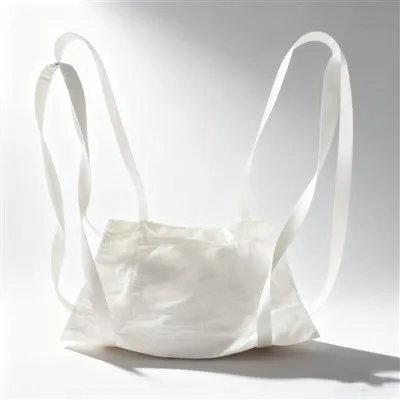
Basic Cleaning and Disinfection of Soft Trays
1. Promptly Clean Residues
Immediately remove food residue, liquid, or other stains from soft trays after use. Wipe the surface with warm water (40-50°C) and a neutral detergent (such as dishwashing liquid). Avoid using steel wool or hard brushes to prevent scratches. If greasy stains are present, a small amount of baking soda can be used as an auxiliary cleaning aid.
2. Deep Disinfection Methods
Select a disinfection method based on the material:
- Silicone/TPE: Spray or soak with 75% alcohol (for no more than 10 minutes), or boil in boiling water for 3-5 minutes (for heat-resistant materials).
- PVC: It is recommended to wipe with a chlorine-containing disinfectant (such as 84 disinfectant, diluted 1:100), let it sit for 5 minutes, and then rinse.
*Note: After disinfection, allow the tray to dry thoroughly to prevent moisture from breeding bacteria.
Storage and Drying Precautions
1. Avoid Folding and Pressure
Soft pallets should be stored flat or hung. Prolonged folding can cause deformation or cracking. For example, silicone pallets folded for more than six months may develop permanent creases (refer to the "Food-Grade Silicone Product Care Guide").
2. Environmental Control
- The recommended storage temperature is between -20°C and 60°C, away from heat sources (such as heaters) and direct sunlight to prevent aging.
- In humid environments, use a moisture-proof agent and keep humidity below 60% (according to the "Warehouse and Logistics Equipment Maintenance Standard").
Regular Inspection and Maintenance
1. Troubleshooting Common Problems
- Sticky or whitening: This may be due to detergent residue or oxidation. Wiping with white vinegar can alleviate this.
- Odor: Soak in lemon water (juice of one lemon in one liter of water) for two hours and air dry.
2. Lifespan Assessment
The typical lifespan of a soft pallet is 2-3 years (if used ≤ 2 times per day). If cracks, deformation or surface fogging occur, replace it immediately to prevent bacteria from hiding.