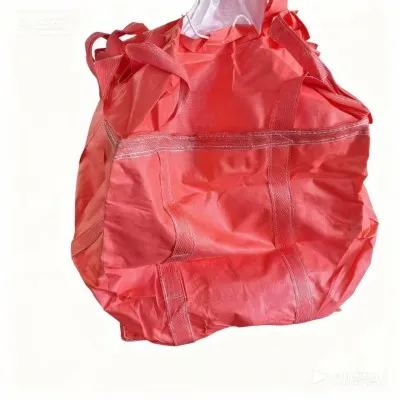
Yo, what's up everyone! As a supplier of Lifting Loop Bags, I often get asked about the materials used to make these nifty things. So, in this blog, I'm gonna break it all down for you.
First off, let's talk about what exactly a Lifting Loop Bag is. You can check out more details about it here. These bags are super handy for transporting and storing all kinds of stuff. They're designed with lifting loops, which make it easy to pick them up and move around, whether you're using a forklift or a crane.
Now, onto the materials. The most common material used for the body of a Lifting Loop Bag is polypropylene. It's a type of plastic that's tough as nails and can handle a lot of wear and tear. Polypropylene is lightweight, which is great because it doesn't add extra weight to the bag's contents. This makes it easier to move around, especially when you're dealing with heavy loads.
The strength of polypropylene is also a major plus. It can withstand high levels of stress, so you don't have to worry about the bag ripping or tearing easily. When we're making these bags, we use high - quality polypropylene fabric that's been tested to ensure it meets safety standards. This way, you can trust that your goods will be secure during transportation.
Another reason we love polypropylene is its resistance to moisture. The bag won't get easily damaged by water, which is a huge deal if you're storing or transporting items in less - than - ideal conditions. For example, if it starts raining while your Lifting Loop Bags are outside, the goods inside will stay dry.
The lifting loops themselves are usually made from the same polypropylene material as the bag body, but they're often reinforced. We use techniques like double - stitching or adding extra layers of fabric to the loops. This gives them the strength to handle the weight when the bag is being lifted. You don't want a loop to break in the middle of a lift, right? That could cause some serious problems.
Some Lifting Loop Bags also have a liner inside. The liner is typically made of polyethylene. It serves a few purposes. One, it adds an extra layer of protection for the contents of the bag. If you're storing something that's a bit fragile or that needs to be kept extremely clean, the liner can help with that. Two, it can prevent small particles from leaking out of the bag. This is especially important if you're dealing with powders or granular materials.


Now, there are different types of Lifting Loop Bags. For instance, the Sling Jumbo Bag. These are larger in size and can hold a significant amount of material. The materials used for them are similar to the regular Lifting Loop Bags, but they're often made even stronger because they need to handle more weight. The polypropylene fabric used for Sling Jumbo Bags is usually thicker and more durable.
Then there's the 4 Lifting Loops FIBC Big Bag. As the name suggests, it has four lifting loops, which provides better balance when the bag is being lifted. This type of bag is often used for heavier loads or when you need a more stable lift. The extra loops require precise construction and reinforcement, but the same basic materials of polypropylene and polyethylene liners are still used.
When it comes to colors, we can make the Lifting Loop Bags in a variety of them. The color doesn't really affect the functionality of the bag, but it can be useful for identification purposes. For example, you could have different colored bags for different types of products or for different customers. And the polypropylene fabric can easily be dyed to achieve the desired color.
We also pay attention to the stitching of the bags. The thread used for stitching is usually a high - strength polyester thread. It needs to be strong enough to hold the different parts of the bag together, especially when the bag is under stress during lifting and movement. The stitching is done in a way that ensures it won't come undone easily.
In addition to the main materials, we sometimes add other features to the Lifting Loop Bags. For example, some bags have an anti - static treatment. This is important if you're storing or transporting materials that are sensitive to static electricity. The anti - static treatment helps to prevent static buildup, which could potentially cause a fire or damage the goods.
We also offer bags with UV protection. If your bags are going to be exposed to sunlight for long periods, the UV protection can prevent the polypropylene fabric from breaking down due to the sun's rays. This extends the lifespan of the bag and ensures that it remains in good condition over time.
So, there you have it - a breakdown of the materials used to make Lifting Loop Bags. These bags are designed to be strong, durable, and reliable. Whether you need them for industrial use, agriculture, or any other application, we've got you covered.
If you're in the market for Lifting Loop Bags, Sling Jumbo Bags, or 4 Lifting Loops FIBC Big Bags, we'd love to talk to you. We can provide you with high - quality products at competitive prices. Just drop us a line and we can start discussing your requirements.
References:
- General knowledge about industrial bag materials
- Experience from manufacturing and supplying Lifting Loop Bags