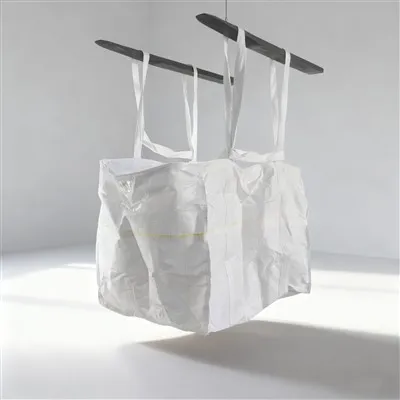
Hey there! As a supplier of Granules Bulk Bags, I often get asked about what materials these bags are made of. So, I thought I'd write this blog to shed some light on the topic.
Polypropylene: The Go - To Material
Most of the Granules Bulk Bags I supply are made from polypropylene. It's an incredibly versatile and widely - used thermoplastic polymer. Polypropylene is derived from propylene monomers through a polymerization process.
One of the main reasons polypropylene is so popular for making Granules Bulk Bags is its strength. It can withstand a good amount of weight and stress, which is crucial when you're using these bags to transport and store granules. Whether it's small plastic granules, chemical granules, or agricultural ones, polypropylene bags can handle the load.
Another great thing about polypropylene is its resistance to moisture. Granules are often sensitive to moisture, as it can cause clumping, spoilage, or chemical reactions. Polypropylene acts as a barrier, keeping the moisture out and protecting the contents of the bag. It also has good chemical resistance, so it can be used to store a variety of granules without the risk of the bag material reacting with the contents.
The manufacturing process of polypropylene Granules Bulk Bags is also relatively straightforward. The polypropylene is first extruded into thin fibers. These fibers are then woven together to form a strong fabric. The fabric is cut and sewn into the shape of the bulk bag, with additional features like lifting loops and discharge spouts added as needed.
Coated Polypropylene
Sometimes, we use coated polypropylene for our Granules Bulk Bags. A coating is applied to the polypropylene fabric to enhance its properties. For example, a polyethylene coating can be added to make the bag even more moisture - resistant. This is especially useful when storing granules in humid environments or during long - term outdoor storage.
The coating can also improve the bag's abrasion resistance. When the bags are being moved around, loaded, and unloaded, they can rub against other surfaces, which might cause wear and tear. The coated polypropylene provides an extra layer of protection, extending the lifespan of the bag.
Other Materials
While polypropylene is the most common material, we also use other materials in some special cases. For instance, for food - grade applications, we might use materials that meet strict food safety standards. Food Grade Circular Jumbo Bag is a great example. These bags are made from materials that are non - toxic and won't contaminate the food granules they hold. They are often made from high - quality polypropylene that has been carefully processed to ensure it meets all the necessary regulations.
In some situations where extra strength is required, we might use Thickened Ton Bag. These bags are made from a thicker and more durable material. The thickening can be achieved by using a denser weave of the polypropylene fibers or by using a different type of high - strength polymer.
For bags that need to be more flexible, we might incorporate some elastomeric materials. These materials can give the bag a bit of stretch, which can be useful when filling the bag with irregularly - shaped granules or when the bag needs to conform to different storage spaces.
Laminated Materials
Laminated materials are also an option for Granules Bulk Bags. A laminate is created by bonding two or more layers of different materials together. For example, a polypropylene layer might be laminated with a layer of aluminum foil. The aluminum foil provides excellent barrier properties against oxygen, light, and moisture. This is ideal for storing granules that are sensitive to oxidation or light degradation, such as some pharmaceutical or chemical granules.
The Importance of Material Selection
Choosing the right material for Granules Bulk Bags is crucial. It not only affects the performance of the bag but also the quality and safety of the granules being stored and transported. We always work closely with our customers to understand their specific requirements. If they are storing granules in a harsh chemical environment, we'll recommend a bag made from a material with high chemical resistance. If it's for food - grade granules, we'll ensure the bag meets all the relevant food safety standards.
Different Types of Granules Bulk Bags and Their Materials
Let's take a look at some of the different types of Granules Bulk Bags we offer and the materials used for them. The Four Lifting Bottom Ton Bag is a popular choice for heavy - duty applications. It's usually made from high - strength polypropylene to handle large volumes and heavy weights of granules. The four lifting loops make it easy to lift and move the bag safely.
Our Thickened Ton Bag is designed for situations where extra durability is needed. The thickened material can withstand more stress and abrasion, making it suitable for rough handling and long - term use.


The Food Grade Circular Jumbo Bag is made from materials that are safe for storing food granules. These materials are carefully selected and tested to ensure they won't transfer any harmful substances to the food.
Conclusion
In conclusion, Granules Bulk Bags can be made from a variety of materials, with polypropylene being the most common. Coated polypropylene, other special - purpose materials, laminated materials, and combinations of different materials are also used depending on the specific requirements of the granules being stored and transported.
If you're in the market for Granules Bulk Bags, we'd love to have a chat with you. We can help you choose the right material and type of bag for your needs. Contact us to start the procurement process and let's find the perfect solution for your granule storage and transportation requirements.
References
- "Plastics in Packaging: Technology and Innovation" by John W. Rhim
- "Handbook of Thermoplastics" edited by O. Olabisi