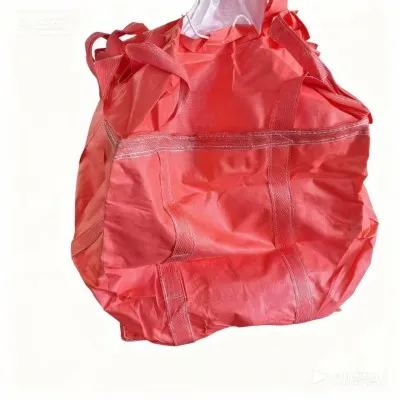
Hey there! As a supplier of Cross Bottom Ton Bags, I'm super stoked to dive into the nitty - gritty of the quality control process for these bad boys. Cross bottom ton bags are a staple in various industries, from agriculture to construction, and ensuring their top - notch quality is non - negotiable.
Raw Material Inspection
It all starts with the raw materials. We source high - quality polypropylene (PP) fabric, which is the backbone of our cross bottom ton bags. When the raw material arrives at our facility, we conduct a thorough inspection. We check for things like the fabric's thickness, tensile strength, and color consistency. A variation in thickness can lead to weak spots in the bag, while inconsistent color might indicate an issue with the manufacturing process of the fabric itself.
We use specialized testing equipment to measure the tensile strength. This test involves pulling a sample of the fabric until it breaks, and we record the amount of force required. If the fabric doesn't meet our pre - set strength standards, we send it back to the supplier. It's like we're building a house; if the foundation materials are faulty, the whole structure is at risk.
Design and Pattern Verification
Once we're satisfied with the raw materials, it's time to move on to the design and pattern. Our designers create detailed patterns for the cross bottom ton bags, taking into account the specific requirements of our customers. Whether it's the size of the bag, the location of the lifting loops, or the shape of the cross bottom, every detail matters.
Before we start cutting the fabric, we double - check the patterns. We use computer - aided design (CAD) software to ensure that all the dimensions are accurate. This step is crucial because any mistake in the pattern can result in a bag that doesn't fit the intended purpose. For example, if the lifting loops are placed too close together, it can cause uneven weight distribution when the bag is lifted, increasing the risk of tearing.
Cutting and Sewing Quality Checks
The cutting and sewing process is where the magic happens, but it's also where things can go wrong if not monitored closely. When cutting the fabric, we use precision cutting machines to ensure clean and accurate cuts. We inspect each cut piece to make sure there are no frayed edges or irregular shapes.
During the sewing process, we pay close attention to the stitch quality. The stitches need to be evenly spaced and strong enough to hold the bag together under heavy loads. We have quality control inspectors who randomly select bags from the production line and perform stitch strength tests. They pull on the seams to see if the stitches come apart. If a bag fails this test, it's immediately taken out of the production line and re - worked or discarded.
Printing and Labeling Inspection
Many of our cross bottom ton bags have custom printing and labeling. This could include the customer's logo, product information, or safety instructions. We take printing and labeling seriously because it's not just about aesthetics; it's also about providing important information to the end - user.
We check the print quality for things like color accuracy, sharpness, and adhesion. If the print is faded or doesn't stick properly to the fabric, it can make the bag look unprofessional and also lead to the loss of important information over time. We use high - quality printing equipment and inks to ensure long - lasting and clear prints.
Finished Product Testing
After the bags are fully assembled, they go through a series of finished product tests. One of the most important tests is the drop test. We fill the bags with a specified amount of weight and drop them from a certain height onto a hard surface. This simulates the real - world conditions that the bags might encounter during transportation and handling.


If the bag doesn't survive the drop test without any damage, it fails the quality control process. We also conduct a stacking test, where we stack multiple bags on top of each other to see how they hold up under pressure. This is especially important for industries where bags are stored in large quantities in warehouses.
Quality Assurance in Different Applications
Our cross bottom ton bags are used in a wide range of industries, and each industry has its own unique requirements. For example, in the Agricultural Use Of Space Bags Ton Bags, the bags need to be durable enough to withstand outdoor conditions, such as exposure to sunlight and moisture. We make sure that the bags used in agriculture are treated with UV - resistant coatings and have good moisture - proof properties.
In the construction industry, the bags need to be able to handle heavy and abrasive materials. We use thicker and more robust fabrics for construction - grade cross bottom ton bags. And for industries that require breathable bags, like the storage of certain food products, we offer Breathable PP Jumbo Bag options. These bags have special perforations that allow air to circulate, preventing the growth of mold and mildew.
Packaging and Shipping Checks
Even after the bags have passed all the quality tests, our quality control process doesn't end there. We carefully package the bags to protect them during shipping. We use appropriate packaging materials, such as plastic wraps or cardboard boxes, depending on the customer's requirements.
Before shipping, we do a final inspection of the packaged bags. We check for any signs of damage that might have occurred during the packaging process. We also ensure that the shipping labels are accurate and that the bags are loaded onto the transport vehicles correctly to prevent any shifting or damage during transit.
Comparison with Other Types of Ton Bags
It's worth comparing cross bottom ton bags with other types, like Flat Bottom Ton Bag Moisture - proof And Damp - proof. Flat bottom ton bags are great for applications where stability on a flat surface is crucial. However, cross bottom ton bags offer better weight distribution and are often more suitable for lifting and transporting heavy loads.
Why Our Quality Control Matters
Our strict quality control process is not just about meeting industry standards; it's about building trust with our customers. When you buy our cross bottom ton bags, you can be confident that they will perform as expected. We've invested a lot in our quality control system, from the latest testing equipment to a team of experienced quality control inspectors.
Let's Connect!
If you're in the market for high - quality cross bottom ton bags, I'd love to talk to you. Whether you have specific requirements for your industry or just need some advice on which type of bag is best for you, I'm here to help. Reach out to us, and let's start a conversation about how we can meet your needs.
References
- Industry standards for ton bag manufacturing
- Internal quality control manuals and procedures
So, there you have it, a comprehensive look at the quality control process for cross bottom ton bags. I hope this gives you a better understanding of how we ensure the top - notch quality of our products.