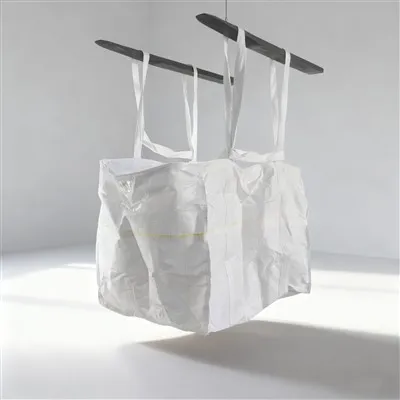
What is the lining material of FIBC sling bags?
As a supplier of FIBC Sling Bags, I often get asked about the lining materials used in these versatile products. FIBC, which stands for Flexible Intermediate Bulk Container, sling bags are widely used for transporting and storing a variety of bulk materials. The choice of lining material is crucial as it can significantly impact the performance, durability, and suitability of the bag for different applications.
Common Lining Materials for FIBC Sling Bags
Polyethylene (PE) Liners
Polyethylene is one of the most commonly used lining materials for FIBC sling bags. It is a thermoplastic polymer that offers several advantages. PE liners are highly resistant to moisture, which is essential when storing materials that are sensitive to water. For example, if you are transporting grains or powders, a PE liner can prevent the absorption of moisture, which could lead to spoilage or clumping of the product.
PE liners also provide a good barrier against dust and contaminants. This is particularly important in industries where product purity is a concern, such as the food and pharmaceutical sectors. The smooth surface of PE liners makes it easy to clean, reducing the risk of cross - contamination between different batches of materials.
Another benefit of PE liners is their flexibility. They can conform to the shape of the FIBC sling bag, ensuring a snug fit and minimizing the risk of the liner shifting during handling. This flexibility also allows for easy installation and removal of the liner, which can be an advantage when the bag needs to be reused with different materials.


Polypropylene (PP) Liners
Polypropylene is another popular lining material for FIBC sling bags. PP liners are known for their high strength and durability. They can withstand rough handling and are less likely to tear or puncture compared to some other lining materials. This makes them suitable for transporting heavy or abrasive materials.
PP liners have good chemical resistance, which means they can be used to store a wide range of chemicals without being damaged. For example, in the chemical industry, PP - lined FIBC sling bags can safely transport substances such as fertilizers, pesticides, and industrial chemicals.
In addition, PP liners are lightweight, which helps to keep the overall weight of the FIBC sling bag down. This can be beneficial for transportation costs, especially when shipping large quantities of products. The lightweight nature of PP liners also makes them easier to handle during the filling and emptying processes.
Aluminum Foil Liners
Aluminum foil liners are used in specific applications where protection against light, oxygen, and moisture is critical. These liners provide an excellent barrier against these elements, making them ideal for storing products that are sensitive to oxidation or degradation.
For example, in the food industry, aluminum foil - lined FIBC sling bags can be used to store products such as coffee beans, spices, and dried fruits. The foil liner helps to preserve the flavor, aroma, and quality of these products by preventing the entry of oxygen and light, which can cause them to lose their freshness over time.
Aluminum foil liners also have good heat - reflecting properties. This can be an advantage in applications where the product needs to be protected from high temperatures. For instance, in the pharmaceutical industry, some medications need to be stored at a specific temperature range, and an aluminum foil liner can help to insulate the product from external heat sources.
Factors Influencing the Choice of Lining Material
Type of Material to be Stored
The nature of the material that will be stored in the FIBC sling bag is one of the most important factors in determining the lining material. If the material is hygroscopic (absorbs moisture), a moisture - resistant liner such as PE or aluminum foil may be required. On the other hand, if the material is abrasive, a strong and puncture - resistant liner like PP would be more suitable.
For example, if you are storing sand or gravel, a PP liner would be a better choice due to its durability. However, if you are storing sugar or salt, a PE liner would be preferred to prevent moisture absorption.
Environmental Conditions
The environmental conditions during storage and transportation also play a role in the choice of lining material. If the bags will be exposed to high humidity or extreme temperatures, the lining material needs to be able to withstand these conditions.
For instance, in tropical regions where humidity is high, a moisture - resistant liner is essential to prevent the material from spoiling. In cold climates, the lining material should not become brittle and crack at low temperatures.
Regulatory Requirements
In some industries, there are strict regulatory requirements regarding the materials used in packaging. For example, in the food and pharmaceutical industries, the lining material must be food - grade and comply with relevant safety standards.
When choosing a lining material, it is important to ensure that it meets all the necessary regulatory requirements to avoid any legal issues.
Our Offerings
As a supplier of FIBC Sling Bags, we offer a wide range of lining options to meet the diverse needs of our customers. Our PP Jumbo Sling Bag with a PP liner is a popular choice for heavy - duty applications. It provides excellent strength and durability, making it suitable for transporting large quantities of abrasive materials.
We also offer 4 Lifting Loops FIBC Big Bag with different lining materials. These bags are designed with four lifting loops for easy handling and transportation. Whether you need a moisture - resistant PE liner or a chemical - resistant PP liner, we can provide the right solution for your specific requirements.
Contact Us for Procurement
If you are interested in purchasing FIBC sling bags and need more information about the lining materials or our product range, we encourage you to contact us. Our team of experts is ready to assist you in choosing the most suitable lining material and FIBC sling bag for your application. We can also provide detailed product specifications, pricing, and delivery options. Let's start a conversation and find the best solution for your bulk material handling needs.
References
- "Handbook of Flexible Packaging Technology" by Wilmer A. Jenkins and James P. Harrington
- "Packaging Materials and Processes" by John A. Robertson