When it comes to transporting and storing bulk goods, circular ton bags have emerged as a popular choice in various industries. As a supplier of circular ton bags, I often get asked about their heat insulation properties. In this blog post, I'll delve into the science behind the heat insulation of circular ton bags, their applications, and how they stack up against other options.
Understanding Circular Ton Bags
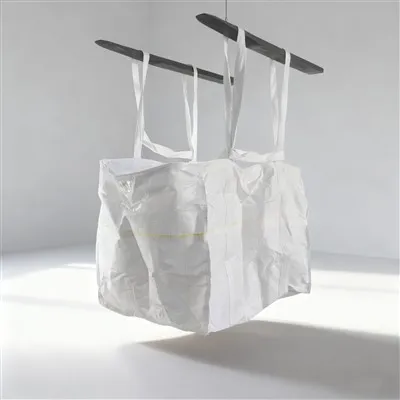
Circular ton bags, also known as Flexible Bulk Container, are large, flexible containers designed to hold and transport a significant amount of dry, flowable products. They are typically made from polypropylene woven fabric, which offers durability, strength, and flexibility. The circular design provides a more uniform distribution of weight, making them suitable for a wide range of applications.
Heat Insulation Mechanisms
The heat insulation property of circular ton bags is primarily determined by the materials used in their construction and the air trapped within the fabric. Polypropylene, the main material in Polypropylene Woven Bag, is a thermoplastic polymer with low thermal conductivity. This means that it does not transfer heat easily, acting as a natural insulator.
The woven structure of the polypropylene fabric also plays a crucial role in heat insulation. The small air pockets created by the weaving process act as additional barriers to heat transfer. Air is a poor conductor of heat, so these pockets slow down the movement of heat through the bag.
Factors Affecting Heat Insulation
Several factors can influence the heat insulation performance of circular ton bags:
- Thickness of the Fabric: Thicker fabrics generally provide better heat insulation as they have more material to resist heat transfer. However, this also increases the weight and cost of the bag.
- Density of the Weave: A denser weave can reduce the size of the air pockets, which may improve heat insulation. But it can also affect the breathability of the bag.
- Coatings and Liners: Some circular ton bags may have additional coatings or liners that enhance their heat insulation properties. For example, a foil liner can reflect heat, reducing the amount of heat absorbed by the contents of the bag.
Applications of Heat-Insulating Circular Ton Bags
The heat insulation property of circular ton bags makes them suitable for a variety of applications:
- Food and Beverage Industry: In the food and beverage industry, maintaining the right temperature is crucial for product quality and safety. Food Grade Circular Jumbo Bag with good heat insulation can help keep food products at the desired temperature during transportation and storage.
- Chemical Industry: Many chemicals are sensitive to temperature changes. Circular ton bags with heat insulation can protect these chemicals from extreme temperatures, preventing degradation and ensuring their stability.
- Agricultural Industry: Agricultural products such as grains and seeds can be affected by temperature and humidity. Heat-insulating circular ton bags can help preserve the quality of these products by providing a more stable environment.
Comparing with Other Insulation Methods
While circular ton bags offer good heat insulation, it's important to compare them with other insulation methods:
- Styrofoam Containers: Styrofoam is a well-known insulator, but it is not as flexible or durable as circular ton bags. Circular ton bags can be reused multiple times, making them a more sustainable option.
- Insulated Trucks: Insulated trucks provide excellent temperature control, but they are expensive and may not be suitable for all types of goods. Circular ton bags can be a cost-effective alternative for smaller shipments or when trucks are not available.
Measuring Heat Insulation
To accurately assess the heat insulation performance of circular ton bags, several methods can be used:


- Thermal Conductivity Testing: This measures how easily heat can pass through the bag. A lower thermal conductivity value indicates better heat insulation.
- Temperature Monitoring: By placing temperature sensors inside and outside the bag, the temperature difference can be measured over time. A smaller temperature difference suggests better heat insulation.
Improving Heat Insulation
If you need to improve the heat insulation of circular ton bags, there are several options:
- Choose a Thicker Fabric: As mentioned earlier, a thicker fabric can provide better heat insulation.
- Add a Liner: A foil or other insulating liner can enhance the bag's ability to reflect and block heat.
- Use Insulating Coatings: Special coatings can be applied to the bag to improve its heat insulation properties.
Conclusion
In conclusion, circular ton bags offer a practical and cost-effective solution for heat insulation in various industries. Their polypropylene woven structure and the air trapped within the fabric provide natural insulation, and factors such as fabric thickness and density can be adjusted to meet specific requirements. Whether you're in the food, chemical, or agricultural industry, circular ton bags can help protect your products from temperature fluctuations.
If you're interested in purchasing circular ton bags with excellent heat insulation properties, I encourage you to contact me for more information and to discuss your specific needs. We can work together to find the best solution for your business.
References
- "Handbook of Thermoplastics" by O. Olabisi
- "Polymer Science and Technology" by S. L. Rosen