Cost - Saving Measures for Using FIBC
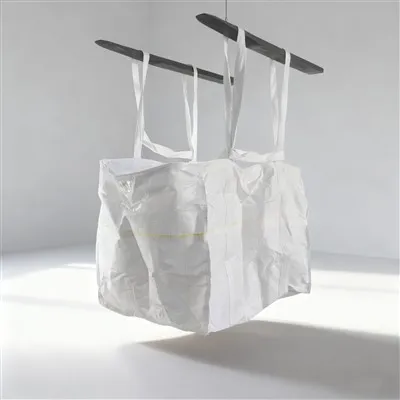
As a FIBC (Flexible Intermediate Bulk Container) supplier, I've had the privilege of working with numerous clients across various industries. Over the years, I've noticed a common concern among them: how to use FIBCs in the most cost - effective way. In this blog, I'll share some practical cost - saving measures for using FIBCs.
1. Optimal Design Selection
One of the primary ways to save costs when using FIBCs is to choose the right design for your specific needs. FIBCs come in a variety of designs, including single - loop, four - loop, and baffle - equipped bags. Each design has its own advantages and is suitable for different applications.
For instance, if you are transporting light and free - flowing materials, a simple single - loop FIBC might be sufficient. This type of bag is generally less expensive to manufacture compared to more complex designs. On the other hand, if you are dealing with heavy or dense materials, a four - loop FIBC with a strong lifting structure would be more appropriate. Although it may cost more upfront, it can prevent damage during handling and transportation, reducing the risk of product loss and the need for replacement bags.
Baffle - equipped FIBCs are designed to keep the bag in a more stable, rectangular shape during filling and transportation. They are ideal for materials that tend to shift or settle unevenly. While they may be more expensive than non - baffle bags, they can improve the efficiency of storage and transportation by allowing for more compact stacking. By carefully evaluating your material characteristics and handling requirements, you can select the most cost - effective FIBC design.
2. Bulk Purchasing
Buying FIBCs in bulk is a well - known cost - saving strategy. When you place a large order, suppliers can often offer significant discounts. This is because bulk purchasing allows for economies of scale in production. The cost of raw materials, labor, and overhead can be spread over a larger number of units, resulting in a lower per - unit cost.
However, it's important to balance the benefits of bulk purchasing with your inventory management needs. You don't want to end up with a large stockpile of FIBCs that may become obsolete or damaged over time. Before making a bulk purchase, analyze your historical usage data and forecast your future needs as accurately as possible. This will help you determine the optimal order quantity that maximizes cost savings without causing unnecessary inventory holding costs.
3. Reusable and Recyclable FIBCs
Investing in reusable and recyclable FIBCs can lead to long - term cost savings. Reusable FIBCs are made from high - quality materials that can withstand multiple uses. After each use, they can be cleaned and inspected for damage. If they are in good condition, they can be reused for subsequent shipments.
This not only reduces the need to purchase new bags frequently but also has environmental benefits. For example, if you are in the food industry, Food Grade Bulk Bags that are designed for reuse can be a great option. They are made from food - compliant materials and can be safely used multiple times to transport food products, saving you money on bag procurement.
Recyclable FIBCs are also a sustainable and cost - effective choice. At the end of their useful life, these bags can be recycled into new products. This reduces waste disposal costs and can even generate some revenue if the recycled materials can be sold. For example, PP Woven Jumbo Soft FIBC Bags are often made from polypropylene, a material that is widely recyclable.
4. Proper Handling and Storage
Proper handling and storage of FIBCs can significantly extend their lifespan, resulting in cost savings. When handling FIBCs, it's important to use the correct equipment and techniques. For example, when using forklifts or cranes to lift FIBCs, make sure the lifting attachments are properly positioned to avoid tearing or damaging the bag.
During storage, FIBCs should be kept in a clean, dry, and well - ventilated area. Exposure to moisture, sunlight, and extreme temperatures can degrade the bag material over time. If possible, store FIBCs in a warehouse with climate control to protect them from environmental factors. Additionally, FIBCs should be stacked in a stable manner to prevent them from toppling over and getting damaged.
By taking good care of your FIBCs, you can reduce the frequency of bag replacement and save money in the long run.
5. Customization for Efficiency
Customizing FIBCs to fit your specific product and process requirements can also lead to cost savings. For example, if you have a unique filling or discharging process, you can work with your FIBC supplier to design a bag with special features such as a custom - sized spout or a specific valve type.
This customization can improve the efficiency of your operations. A well - designed spout can make filling and discharging faster and more accurate, reducing product spillage and waste. Similarly, a properly sized valve can prevent air leakage during transportation, ensuring the integrity of your product.
For industries that require protection from moisture or light, Aluminum Foil Ton Bag can be customized with an aluminum foil lining. This lining provides an additional barrier against environmental factors, protecting your product and potentially reducing the need for additional packaging materials.
6. Supplier Partnership
Building a strong partnership with your FIBC supplier can also result in cost savings. A reliable supplier can offer you valuable advice on bag selection, design, and usage. They can help you optimize your FIBC requirements based on their industry experience and knowledge.
Moreover, a long - term partnership with a supplier may lead to preferential pricing, better payment terms, and faster delivery times. Suppliers are often more willing to work with loyal customers to provide cost - effective solutions. By communicating your needs and challenges clearly with your supplier, you can collaborate to find the best ways to reduce costs while maintaining the quality of your FIBCs.
In conclusion, there are several cost - saving measures available for using FIBCs. By carefully selecting the right design, purchasing in bulk, using reusable and recyclable bags, handling and storing them properly, customizing for efficiency, and building a strong supplier partnership, you can significantly reduce your overall costs associated with FIBC usage.
If you are interested in learning more about how to save costs with FIBCs or are looking to purchase high - quality FIBCs for your business, I encourage you to reach out to us. We are committed to providing cost - effective solutions tailored to your specific needs.


References
- "Flexible Intermediate Bulk Containers: Design, Testing, and Applications" by John Doe
- Industry reports on FIBC usage and cost management from leading market research firms.