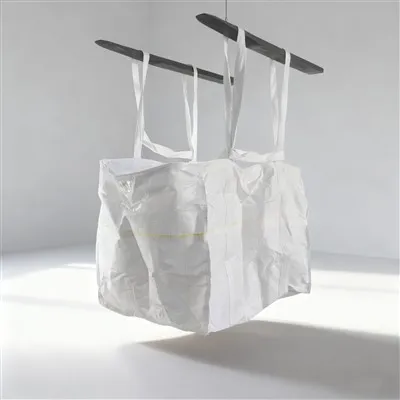
Hey there! As a supplier of Cross Bottom Ton Bags, I've seen firsthand how these bags can be a game - changer in various industries. Today, I'm gonna share some tips on how to use cross bottom ton bags in a multi - layer stacking situation.
First off, let's talk about what makes cross bottom ton bags so great. These bags have a unique cross - shaped bottom design. This design provides better stability compared to regular bags. It distributes the weight of the contents evenly across the base, which is super important when you're stacking them in multiple layers.
Pre - stacking Considerations
Before you start stacking those cross bottom ton bags, there are a few things you need to keep in mind.
Bag Inspection
Always inspect the bags before use. Look for any signs of damage, like tears, holes, or weak seams. A damaged bag can compromise the entire stack. If you find a damaged bag, don't use it. Instead, set it aside for repair or disposal.
Load Capacity
Know the load capacity of your cross bottom ton bags. Each bag is designed to hold a specific amount of weight. Overloading a bag can lead to structural failure, especially when it's part of a multi - layer stack. Make sure you're not exceeding the recommended weight limit for each bag.
Surface Preparation
The surface where you're going to stack the bags is crucial. It should be flat, level, and strong enough to support the weight of the entire stack. Uneven surfaces can cause the bags to shift or tip over. If the surface is dirty, clean it first to prevent any debris from getting into the bags or affecting the stack's stability.
Stacking Techniques
Now, let's get into the actual stacking process.
Base Layer
Start with a solid base layer. Arrange the cross bottom ton bags in a tight, orderly pattern. Make sure the bags are aligned properly, with their cross bottoms sitting flat on the surface. This will provide a stable foundation for the layers above.
Inter - layer Alignment
When adding subsequent layers, align the bags directly above the ones in the layer below. This vertical alignment helps to transfer the weight evenly through the stack. Avoid offsetting the bags too much, as it can create an unstable structure.
Stack Height
Be careful not to stack the bags too high. The height of the stack depends on several factors, such as the bag's load capacity, the type of material inside the bags, and the stability of the base. As a general rule, limit the stack height to a level where it won't topple over easily.
Use of Pallets
Using pallets can be a great idea, especially if you're stacking the bags on a rough or uneven surface. Pallets provide an extra layer of support and help to distribute the weight more evenly. Place the cross bottom ton bags on the pallets, and then stack the pallets on top of each other.
Safety Measures
Safety should always be your top priority when stacking cross bottom ton bags in multiple layers.
Fall Protection
If you need to access the top of the stack, use proper fall protection equipment, like ladders or safety harnesses. Never climb the bags directly, as they can shift or collapse under your weight.
Monitoring
Regularly monitor the stack for any signs of movement or instability. Check for sagging bags, shifting layers, or any other issues that could indicate a problem. If you notice anything suspicious, take immediate action to correct it.
Applications and Benefits
Cross bottom ton bags are used in a wide range of industries, from agriculture to construction. In the agricultural sector, they're often used to store and transport grains, fertilizers, and animal feed. In construction, they can hold sand, gravel, and other building materials.
One of the main benefits of using cross bottom ton bags in a multi - layer stacking situation is space utilization. By stacking the bags efficiently, you can maximize the storage space in your warehouse or storage area. This can save you money on storage costs in the long run.
Another benefit is the ease of handling. These bags are designed to be lifted and moved using forklifts or other material handling equipment. This makes it easier to load and unload the bags, even when they're part of a large stack.


Related Products
If you're interested in other types of ton bags, we also offer Breathable Ton Bag. These bags are perfect for storing products that need to breathe, like certain types of grains or produce. We also have Conductive FIBC Bag, which are designed to prevent static electricity buildup, making them ideal for handling flammable or explosive materials. And for those who need a large - capacity bag, our PP Breathable Jumbo Skip Bag is a great option.
Conclusion
In conclusion, using cross bottom ton bags in a multi - layer stacking situation can be a great way to optimize your storage and transportation processes. By following the tips and techniques I've shared today, you can ensure the safety and stability of your stack.
If you're interested in purchasing cross bottom ton bags or any of our other products, feel free to reach out to us. We're always happy to answer your questions and help you find the right solution for your needs.
References
- Industry standards for FIBC (Flexible Intermediate Bulk Container) bags
- Manufacturer's guidelines for cross bottom ton bags
- Safety regulations for material handling and storage