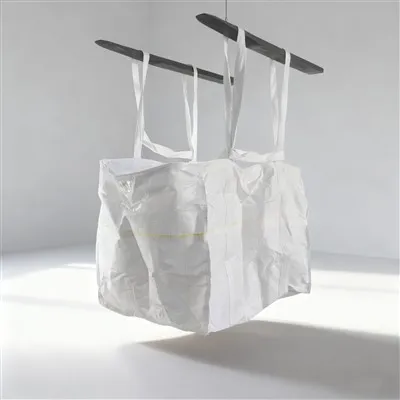
Fibc, also known as Flexible Intermediate Bulk Containers, are widely used in various industries for transporting and storing bulk materials. As a fibc supplier, ensuring the strength and quality of our products is of utmost importance. In this blog post, I will share some common methods on how to test the strength of fibc, which can help both us as suppliers and our customers better understand the performance of these bags.
Tensile Strength Test
The tensile strength test is one of the most fundamental tests for fibc. It measures the maximum amount of tensile force that the fabric of the fibc can withstand before breaking. This test is crucial because during the handling, lifting, and transportation of fibc, the fabric is often subjected to pulling forces.
To conduct a tensile strength test, we first cut samples from the fibc fabric according to the relevant standards. These samples are usually rectangular in shape with specific dimensions. Then, we use a tensile testing machine. The sample is clamped at both ends of the machine, and a gradually increasing tensile force is applied until the sample breaks. The machine records the maximum force applied at the moment of breakage, which is the tensile strength of the sample.
The results of the tensile strength test can tell us a lot about the quality of the fibc fabric. A higher tensile strength indicates that the fabric is more resistant to tearing and can better withstand the forces during normal use. For example, if a fibc is going to be used to transport heavy and abrasive materials, a fabric with high tensile strength is essential to prevent the bag from tearing during handling.
Seam Strength Test
In addition to the fabric strength, the strength of the seams in a fibc is also critical. Seams are the areas where different parts of the fabric are joined together, and they are often the weak points in the bag. A weak seam can lead to the failure of the entire fibc, causing the contents to spill out.
To test the seam strength, we use a similar approach as the tensile strength test. We cut samples that include the seams from the fibc. The samples are then placed in a testing machine, and a pulling force is applied parallel to the seam until the seam fails. The maximum force at the moment of seam failure is recorded as the seam strength.

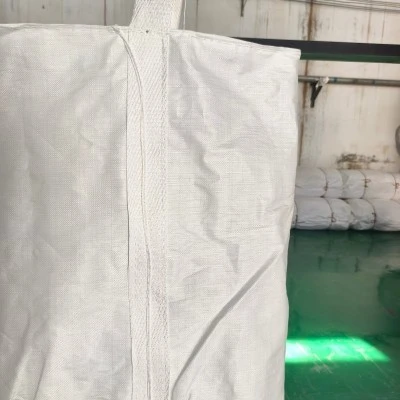
There are different types of seams in fibc, such as heat - sealed seams and stitched seams. Each type of seam has its own characteristics and requirements for strength. For example, stitched seams may be more prone to thread breakage, while heat - sealed seams may be affected by the quality of the heat - sealing process. By regularly testing the seam strength, we can ensure that the seams in our fibc meet the necessary standards and can withstand the stresses during use.
Drop Test
The drop test is a practical way to simulate the real - world handling conditions of fibc. During transportation and loading/unloading, fibc may accidentally be dropped from a certain height. The drop test helps us evaluate the ability of the fibc to withstand such impacts without damage.
To perform a drop test, we first fill the fibc with a specified amount of test material, which is usually similar in density and characteristics to the actual materials the bag will carry. Then, the filled fibc is lifted to a certain height and dropped onto a hard surface. The height and the orientation of the drop (e.g., bottom - first, side - first) are determined according to the relevant standards.
After the drop, we carefully inspect the fibc for any signs of damage, such as tears, seam failures, or deformation. If the fibc shows no significant damage after the drop test, it indicates that it has good impact resistance and can be expected to perform well in real - world handling situations. For example, if a fibc is going to be used in a warehouse where there is a risk of accidental drops during forklift operations, a successful drop test is a good indication of its reliability.
Bursting Strength Test
The bursting strength test measures the ability of the fibc to withstand internal pressure. When a fibc is filled with bulk materials, the materials inside exert pressure on the walls of the bag. If the bag cannot withstand this pressure, it may burst, causing a serious safety hazard.
To conduct a bursting strength test, we use a bursting strength tester. The fibc sample is placed on the tester, and a hydraulic or pneumatic pressure is gradually applied to the center of the sample until the sample bursts. The maximum pressure at the moment of bursting is recorded as the bursting strength.
This test is particularly important for fibc that are used to store and transport materials that may expand or generate pressure inside the bag, such as some types of powders or granules. A high bursting strength ensures that the fibc can safely contain the materials without the risk of bursting.
Stacking Test
In many storage and transportation scenarios, fibc are stacked on top of each other. The stacking test is used to evaluate the ability of the fibc to support the weight of other bags when stacked.
We stack a certain number of filled fibc on top of each other according to a specific pattern and for a specified period of time. During the stacking process, we monitor the bags for any signs of deformation, collapse, or damage. If the bags can maintain their shape and integrity under the stack, it indicates that they have good stacking strength.
The stacking strength is affected by factors such as the fabric strength, the design of the bag, and the distribution of the contents. For example, a well - designed fibc with a stable base and strong fabric can better support the weight of the stacked bags. This test is crucial for industries where large quantities of fibc need to be stored in a limited space, such as in a warehouse or a shipping container.
As a fibc supplier, we conduct these tests regularly to ensure that our products meet the highest quality standards. Our The Factory Produces And Sells Bulk Bags. offers a wide range of fibc, including 2 Loop FIBC Bag and Spout Bottom Bulk Bag. If you are in need of high - quality fibc, we are here to provide you with the best solutions. Whether you are in the chemical, agricultural, or construction industry, our fibc can meet your specific requirements.
We understand that the strength and quality of fibc are directly related to the safety and efficiency of your operations. That's why we are committed to continuous improvement in our testing methods and product quality. If you have any questions about our fibc or would like to discuss your specific needs, please feel free to contact us for procurement and negotiation. We look forward to working with you to find the most suitable fibc solutions for your business.
References
- ASTM International. "Standard Test Methods for Tensile Properties of Textile Fabrics."
- ISO Standards. "Flexible Intermediate Bulk Containers - Specification and Testing."