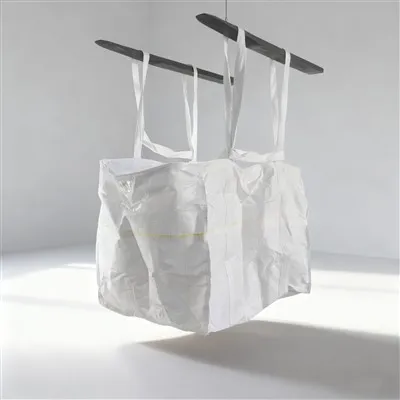
As a supplier of Double Bottom Ton Bags, I understand the importance of properly sealing these bags after filling. A secure seal not only ensures the integrity of the contents but also plays a crucial role in transportation, storage, and overall product safety. In this blog, I will share some effective methods and best practices on how to seal Double Bottom Ton Bags after filling.
Understanding Double Bottom Ton Bags
Before delving into the sealing process, it's essential to have a basic understanding of Double Bottom Ton Bags. These bags are designed with two bottoms, which provide enhanced stability and support when filled with heavy materials. They are commonly used in industries such as agriculture, construction, chemicals, and food processing to transport and store bulk goods. Double Bottom Ton Bags are typically made from high-quality polypropylene (PP) woven fabric, which offers excellent strength, durability, and resistance to tearing and puncturing.
Importance of Sealing Double Bottom Ton Bags
Sealing Double Bottom Ton Bags after filling is crucial for several reasons:
- Preventing Leakage: A proper seal prevents the contents from leaking out during transportation and storage, which can lead to product loss, environmental contamination, and safety hazards.
- Maintaining Product Quality: Sealing the bags helps to protect the contents from moisture, dust, and other contaminants, which can degrade the quality of the product over time.
- Ensuring Safety: A secure seal reduces the risk of the bags opening accidentally, which can cause injuries to workers and damage to equipment.
- Complying with Regulations: In some industries, sealing requirements are mandated by regulations to ensure the safety and integrity of the product.
Methods of Sealing Double Bottom Ton Bags
There are several methods available for sealing Double Bottom Ton Bags after filling. The choice of method depends on various factors, such as the type of contents, the intended use of the bags, and the available equipment. Here are some common sealing methods:
1. Sewing
Sewing is one of the most traditional and reliable methods of sealing Double Bottom Ton Bags. It involves using a heavy-duty sewing machine to stitch the top or bottom of the bag closed. Sewing provides a strong and permanent seal that is suitable for a wide range of applications.


- Advantages:
- Strong and durable: Sewing creates a tight and secure seal that can withstand the rigors of transportation and storage.
- Customizable: The sewing pattern and thread type can be customized to meet the specific requirements of the application.
- Cost-effective: Sewing is a relatively inexpensive method of sealing, especially for large quantities of bags.
- Disadvantages:
- Time-consuming: Sewing can be a time-consuming process, especially for bags with a large opening.
- Requires skilled labor: Operating a sewing machine requires some skill and training, which may increase labor costs.
- Not suitable for all materials: Sewing may not be suitable for bags made from certain materials, such as non-woven fabrics or films.
2. Heat Sealing
Heat sealing is a popular method of sealing Double Bottom Ton Bags, especially for bags made from plastic films or laminates. It involves applying heat and pressure to the edges of the bag to melt and fuse the materials together. Heat sealing provides a clean and airtight seal that is suitable for products that require protection from moisture and oxygen.
- Advantages:
- Airtight and waterproof: Heat sealing creates a tight and secure seal that prevents the entry of moisture, air, and other contaminants.
- Fast and efficient: Heat sealing can be performed quickly and efficiently, making it suitable for high-volume production.
- Versatile: Heat sealing can be used on a wide range of materials, including plastic films, laminates, and coated fabrics.
- Disadvantages:
- Requires specialized equipment: Heat sealing requires the use of a heat sealer, which can be expensive to purchase and maintain.
- Limited to certain materials: Heat sealing may not be suitable for bags made from materials that are not heat-sealable, such as woven fabrics.
- Risk of damage: Improper heat sealing can cause damage to the bag or the contents, such as melting or burning.
3. Zip Ties or Cable Ties
Zip ties or cable ties are a simple and cost-effective method of sealing Double Bottom Ton Bags. They involve using a plastic tie to secure the top or bottom of the bag closed. Zip ties are easy to use and can be tightened or loosened as needed.
- Advantages:
- Easy to use: Zip ties can be quickly and easily applied without the need for special tools or equipment.
- Reusable: Zip ties can be removed and reused, making them a cost-effective option for temporary sealing.
- Versatile: Zip ties can be used on a wide range of bag sizes and materials.
- Disadvantages:
- Not as strong as other methods: Zip ties may not provide as strong a seal as sewing or heat sealing, especially for heavy or bulky contents.
- Limited durability: Zip ties may break or loosen over time, especially if exposed to extreme temperatures or harsh conditions.
- Aesthetically unappealing: Zip ties may not be the most aesthetically pleasing option for sealing bags, especially for products that are on display.
4. Velcro or Hook-and-Loop Fasteners
Velcro or hook-and-loop fasteners are a convenient and reusable method of sealing Double Bottom Ton Bags. They involve using a strip of Velcro to secure the top or bottom of the bag closed. Velcro fasteners are easy to use and can be opened and closed multiple times.
- Advantages:
- Easy to use: Velcro fasteners can be quickly and easily applied and removed without the need for special tools or equipment.
- Reusable: Velcro fasteners can be used multiple times, making them a cost-effective option for applications that require frequent access to the contents.
- Aesthetically pleasing: Velcro fasteners can be a more aesthetically pleasing option for sealing bags, especially for products that are on display.
- Disadvantages:
- Not as strong as other methods: Velcro fasteners may not provide as strong a seal as sewing or heat sealing, especially for heavy or bulky contents.
- Limited durability: Velcro fasteners may lose their adhesive properties over time, especially if exposed to dirt, dust, or moisture.
- Not suitable for all applications: Velcro fasteners may not be suitable for applications that require a high level of security or protection.
Best Practices for Sealing Double Bottom Ton Bags
Regardless of the sealing method used, there are some best practices that should be followed to ensure a secure and effective seal:
- Clean the Bag Opening: Before sealing the bag, make sure the opening is clean and free of debris. This will help to ensure a tight and secure seal.
- Use the Right Equipment: Use the appropriate equipment for the sealing method being used. Make sure the equipment is in good working condition and is properly calibrated.
- Follow the Manufacturer's Instructions: Follow the manufacturer's instructions for the sealing method and equipment being used. This will help to ensure a proper and effective seal.
- Test the Seal: Before using the sealed bags, test the seal to make sure it is secure. You can do this by gently pulling on the seal or by filling the bag with a small amount of material and checking for leaks.
- Store the Sealed Bags Properly: Store the sealed bags in a dry, cool, and clean environment. This will help to prevent the seal from deteriorating over time.
Conclusion
Sealing Double Bottom Ton Bags after filling is an important step in ensuring the integrity and safety of the contents. By choosing the right sealing method and following best practices, you can ensure a secure and effective seal that will protect your products during transportation and storage. As a supplier of Double Bottom Ton Bags, we offer a wide range of sealing options to meet the specific needs of our customers. If you have any questions or need assistance with sealing your Double Bottom Ton Bags, please don't hesitate to contact us. We are here to help you find the best solution for your application.
In addition to Double Bottom Ton Bags, we also offer a variety of other types of FIBC bags, including Circular Jumbo Bag, PP Woven Jumbo Soft FIBC Bags, and Flat Bottom Ton Bag. Our bags are made from high-quality materials and are designed to meet the highest standards of quality and performance. If you are interested in learning more about our products or would like to place an order, please contact us today. We look forward to working with you.
References
- "Flexible Intermediate Bulk Containers (FIBCs): A Guide to Selection, Use, and Safety." International Safety Equipment Association (ISEA).
- "Best Practices for Sealing FIBCs." Fibc Solutions.
- "Heat Sealing Basics." Packaging Digest.