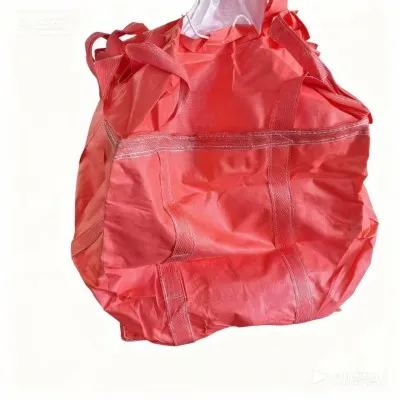
As a supplier of Circular FIBC (Flexible Intermediate Bulk Container) bags, I understand the importance of preventing dust from escaping these bags. Dust leakage not only poses environmental and health risks but also can lead to product loss and inefficiencies in various industries. In this blog, I will share some effective strategies to prevent dust from escaping circular FIBC bags.
Understanding the Problem
Before we delve into the prevention methods, it's crucial to understand why dust escapes from circular FIBC bags. There are several factors that can contribute to dust leakage, including:
- Material Quality: The quality of the woven polypropylene (PP) material used in the bags can significantly impact dust prevention. Low-quality materials may have larger pores or weak seams, allowing dust to escape.
- Bag Design: The design of the bag, such as the type of closure, the presence of liners, and the overall structure, can also affect dust containment.
- Handling and Filling Processes: Rough handling during transportation and improper filling techniques can cause damage to the bags, leading to dust leakage.
Choosing the Right Material
One of the most effective ways to prevent dust from escaping circular FIBC bags is to choose high-quality materials. PP Woven Bulk Big Ton Bag made from high-density polypropylene (HDPE) or low-density polypropylene (LDPE) offer better dust resistance compared to lower-quality materials. These materials have smaller pores, which reduce the chances of dust particles passing through the fabric.
Additionally, consider using anti-static materials. Static electricity can attract dust particles, causing them to adhere to the bag's surface and potentially escape. Anti-static materials help to dissipate static charges, reducing the risk of dust accumulation and leakage.
Optimal Bag Design
The design of the circular FIBC bag plays a crucial role in dust prevention. Here are some design features to consider:
- Closure Systems: Choose bags with reliable closure systems, such as zipper closures, drawstrings, or flap closures. These closures help to seal the bag tightly, preventing dust from escaping during transportation and storage.
- Liners: Adding a liner to the bag can provide an extra layer of protection against dust leakage. Liners can be made from materials such as polyethylene (PE) or polypropylene (PP) and are available in different thicknesses. A well-fitted liner can prevent dust from seeping through the bag's seams and pores.
- Bottom Design: Opt for Jumbo Bag with Flat Bottom as they offer better stability and reduce the risk of dust leakage. Flat-bottom bags have a more even surface, which helps to distribute the weight of the contents evenly and prevents dust from accumulating in the corners.
Proper Handling and Filling Techniques
Proper handling and filling techniques are essential to prevent dust from escaping circular FIBC bags. Here are some tips to follow:
- Gentle Handling: Avoid rough handling during transportation and storage. Use appropriate lifting equipment, such as forklifts or cranes, to move the bags carefully. Rough handling can cause damage to the bags, leading to dust leakage.
- Filling Equipment: Use filling equipment that is designed to minimize dust generation. For example, use a dust collection system or a filling spout with a dust seal to capture any dust that may be generated during the filling process.
- Proper Filling Level: Do not overfill the bags. Overfilling can put excessive pressure on the bag's seams and cause them to burst, leading to dust leakage. Follow the manufacturer's recommended filling capacity for each bag.
Regular Inspection and Maintenance
Regular inspection and maintenance of circular FIBC bags are crucial to ensure their integrity and prevent dust leakage. Here are some steps to follow:
- Visual Inspection: Conduct regular visual inspections of the bags to check for any signs of damage, such as tears, holes, or loose seams. If any damage is detected, replace the bag immediately to prevent dust from escaping.
- Cleaning: Clean the bags regularly to remove any dust or debris that may have accumulated on the surface. Use a mild detergent and water to clean the bags, and allow them to dry completely before reuse.
- Storage Conditions: Store the bags in a clean, dry, and well-ventilated area. Avoid storing the bags in direct sunlight or in areas with high humidity, as this can damage the bags and reduce their dust resistance.
Additional Dust Prevention Measures
In addition to the above strategies, there are some additional measures you can take to prevent dust from escaping circular FIBC bags:


- Use Dust-Proof Bags: Consider using Dust-proof And Anti-tensile Ton Bag specifically designed to prevent dust leakage. These bags are made from special materials and have additional features, such as double stitching and reinforced seams, to provide better dust containment.
- Dust Collection Systems: Install dust collection systems in your facility to capture any dust that may be generated during the handling and filling of circular FIBC bags. These systems can help to reduce the amount of dust in the air and prevent it from escaping into the environment.
- Training and Education: Provide training and education to your employees on the proper handling and use of circular FIBC bags. Make sure they understand the importance of dust prevention and are familiar with the recommended procedures and techniques.
Conclusion
Preventing dust from escaping circular FIBC bags is essential for maintaining a safe and clean working environment, reducing product loss, and complying with environmental regulations. By choosing high-quality materials, optimizing the bag design, following proper handling and filling techniques, conducting regular inspection and maintenance, and implementing additional dust prevention measures, you can effectively prevent dust leakage and ensure the integrity of your circular FIBC bags.
If you are interested in purchasing high-quality circular FIBC bags or have any questions about dust prevention, please feel free to contact us for a consultation. We are committed to providing our customers with the best products and solutions to meet their specific needs.
References
- ASTM D4968 - Standard Specification for Flexible Intermediate Bulk Containers (FIBCs)
- ISO 21898 - Flexible intermediate bulk containers (FIBCs) - Safety requirements for type A, B, C and D FIBCs
- NFPA 77 - Recommended Practice on Static Electricity