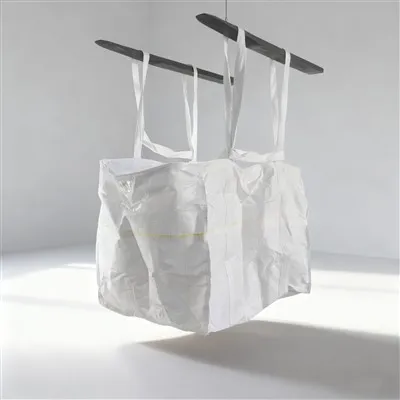
Hey there! As a supplier of Flat Bottom Ton Bags, I've seen firsthand how important it is to label these bags correctly. In this blog post, I'm gonna share some tips on how to label flat bottom ton bags effectively.
Why Labeling is Crucial
First off, let's talk about why labeling is so important. Flat bottom ton bags are used to transport and store all sorts of materials, from grains and chemicals to construction aggregates. Proper labeling helps ensure that the contents are handled safely and correctly. It provides essential information to everyone involved in the supply chain, from the manufacturer to the end - user.
What to Include on the Label
1. Product Information
The most basic thing to include on the label is the name of the product inside the bag. Whether it's wheat, cement, or plastic pellets, clearly stating what's in the bag helps prevent mix - ups. For example, if you're shipping different types of fertilizers, each bag should have the specific type of fertilizer clearly marked.
2. Quantity
It's also important to indicate the quantity of the product. This could be in terms of weight (e.g., 1000 kg) or volume (e.g., 1 cubic meter). Knowing the quantity helps with inventory management and ensures that the right amount of product is being shipped and received.
3. Safety Information
If the product inside the bag is hazardous, safety information is a must. This might include warnings about toxicity, flammability, or corrosiveness. You should also include any necessary safety precautions, such as wearing protective gear like gloves and goggles. For instance, if you're shipping a chemical that can cause skin irritation, the label should clearly state this and provide instructions on how to handle it safely.
4. Handling Instructions
Proper handling instructions can prevent damage to the bag and its contents. This could include information on how to lift the bag (e.g., using a forklift with the correct attachments), how to stack the bags (e.g., no more than three high), and any special storage requirements (e.g., store in a dry place).
5. Batch or Lot Number
Including a batch or lot number on the label is useful for quality control and traceability. If there are any issues with the product, the batch or lot number can be used to track where it came from and which other bags might be affected.
How to Design the Label
1. Font and Size
Choose a font that is easy to read. Sans - serif fonts like Arial or Helvetica are often a good choice because they are clean and simple. The text size should be large enough to be visible from a reasonable distance. If the bag is going to be used in a warehouse or on a construction site, people might need to read the label from several feet away.
2. Colors
Use colors that contrast well. For example, black text on a white background is very easy to read. Avoid using colors that are too similar, as this can make the text difficult to distinguish. You can also use color to highlight important information, like safety warnings.
3. Graphics
Including relevant graphics can make the label more informative and easier to understand. For example, if the product is a food item, you could include a picture of the food. If there are safety hazards, you could use standard safety symbols like a skull and crossbones for toxicity or a flame for flammability.
Different Labeling Methods
1. Printed Labels
Printed labels are a popular choice because they offer high - quality, long - lasting printing. You can print the label on a variety of materials, such as paper, vinyl, or polyester. Printed labels can be pre - printed with all the necessary information and then attached to the bag using adhesive.
2. Direct Printing on the Bag
Some suppliers choose to print directly on the bag. This can be done using techniques like screen printing or digital printing. Direct printing is often more durable than using a separate label, as it is part of the bag itself. However, it might be more expensive and require specialized equipment.


3. Heat Transfer Labels
Heat transfer labels are another option. These labels are applied to the bag using heat, which bonds the label to the bag's surface. Heat transfer labels are very durable and can withstand harsh conditions, such as exposure to water or chemicals.
Special Considerations for Different Types of Flat Bottom Ton Bags
1. Cross Bottom Ton Bag
Cross bottom ton bags have a unique design that provides extra stability. When labeling these bags, make sure the label is placed in a location where it won't be damaged during handling. For example, avoid placing the label near the bottom of the bag where it might get scraped on the ground.
2. Baffle Bag and Baffle Bags
Baffle bags are designed to keep their shape when filled. When labeling baffle bags, consider the baffle structure. You might need to place the label in a way that doesn't interfere with the baffles. Also, since baffle bags are often used for bulk products, make sure the label is large enough to be visible even when the bag is fully loaded.
Quality Control of Labels
Once the labels are applied, it's important to do some quality control checks. Make sure the label is properly attached and that all the information is accurate and legible. You can also do some durability tests, such as exposing the labeled bag to different environmental conditions (e.g., heat, humidity) to see if the label holds up.
Conclusion
Labeling flat bottom ton bags correctly is an important part of the supply chain. By including the right information, designing the label properly, and choosing the right labeling method, you can ensure that your bags are safe, easy to handle, and compliant with all relevant regulations.
If you're in the market for high - quality flat bottom ton bags or have any questions about labeling, feel free to reach out. We're here to help you with all your bagging needs and ensure that your products are transported and stored safely and efficiently.
References
- Packaging Industry Standards for Bulk Bags
- Safety Regulations for Hazardous Materials Transportation
- Best Practices in Label Design and Application