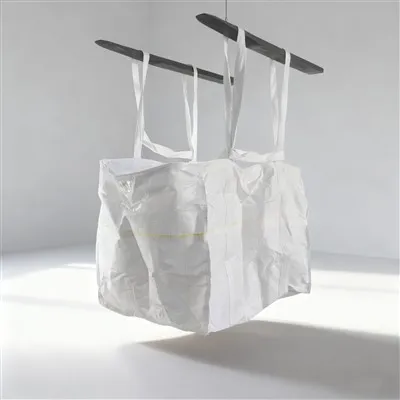
In the world of industrial packaging, circular Flexible Intermediate Bulk Containers (FIBC) bags play a crucial role. As a supplier of circular FIBC bags, I've witnessed firsthand the diverse applications and the importance of these bags in various industries. One of the most common concerns our customers have is how to improve the load - bearing capacity of these circular FIBC bags. In this blog, I'll share some insights and strategies based on my experience in the field.
Understanding the Basics of Circular FIBC Bags
Circular FIBC bags are made from woven polypropylene fabric, which provides a high level of strength and durability. The circular design offers several advantages, such as uniform stress distribution, which is beneficial for load - bearing. However, achieving optimal load - bearing capacity requires a combination of proper design, material selection, and manufacturing processes.
Material Selection
The choice of material is the foundation for improving the load - bearing capacity of circular FIBC bags. High - quality woven polypropylene fabrics with a high tensile strength are essential. Fabrics with a higher denier count generally offer better strength. Denier is a unit of measurement for the linear mass density of fibers, and a higher denier means a thicker and stronger fiber.
We often use fabrics with a denier count of [X] or higher in our circular FIBC bags. Additionally, the quality of the resin used in the production of the polypropylene fabric also matters. Virgin resin typically provides better strength and durability compared to recycled resin. Although recycled resin can be a more environmentally friendly option, it may not offer the same level of load - bearing capacity.
Design Considerations
- Bag Dimensions: The size and shape of the circular FIBC bag can significantly impact its load - bearing capacity. A bag with a larger diameter and appropriate height can distribute the load more evenly. However, it's important to ensure that the bag's dimensions are within the limits of the handling equipment and storage facilities. For example, if the bag is too large, it may be difficult to lift and transport.
- Loop Design: The loops of the FIBC bag are crucial for lifting and handling. Strong and well - designed loops can transfer the load from the bag to the lifting equipment safely. Our 4 Loop FIBC Bag is designed with reinforced loops that can withstand high loads. The number, size, and attachment method of the loops all affect the bag's load - bearing capacity. Four - loop designs are commonly used as they provide better balance during lifting.
- Bottom Design: The bottom of the circular FIBC bag also plays a role in load - bearing. A well - constructed bottom can prevent the bag from sagging or bursting under heavy loads. Our Square - bottomed Bottom Bag has a reinforced square bottom design that distributes the load more evenly across the bottom surface, improving the overall load - bearing capacity.
Manufacturing Processes
- Seaming and Stitching: Proper seaming and stitching are essential for ensuring the integrity of the circular FIBC bag. Strong seams can prevent the bag from splitting open under load. We use high - quality stitching threads and advanced stitching techniques to ensure that the seams can withstand the stress of heavy loads. Double - stitching or triple - stitching in critical areas can significantly improve the bag's load - bearing capacity.
- Quality Control: Throughout the manufacturing process, strict quality control measures are necessary. This includes checking the fabric quality, seam strength, and overall bag dimensions. Any defects or weaknesses in the bag can compromise its load - bearing capacity. We conduct regular inspections at every stage of production to ensure that our circular FIBC bags meet the highest quality standards.
Testing and Certification
To ensure the load - bearing capacity of our circular FIBC bags, we conduct various tests. Tensile strength tests are performed on the fabric to determine its maximum strength. Load - testing is also carried out on the finished bags to simulate real - world conditions. We subject the bags to loads that are [X] times the rated capacity to ensure their safety and reliability.
Our circular FIBC bags are also certified according to international standards such as [mention relevant standards]. These certifications provide our customers with confidence in the quality and load - bearing capacity of our products.


Additional Reinforcements
- Liner Installation: Installing a liner inside the circular FIBC bag can provide additional protection and support. Liners can prevent the contents from leaking and also add some structural integrity to the bag. For example, a polyethylene liner can help distribute the load more evenly and protect the bag from abrasion.
- Reinforcement Bands: Adding reinforcement bands around the circumference of the bag can enhance its load - bearing capacity. These bands can be made of the same polypropylene fabric or a stronger material and are sewn or welded onto the bag. Reinforcement bands help to prevent the bag from bulging or bursting under heavy loads.
Handling and Storage
Proper handling and storage are also important for maintaining the load - bearing capacity of circular FIBC bags. When lifting the bags, it's essential to use the correct lifting equipment and follow the recommended lifting procedures. Overloading the bags or using improper lifting techniques can cause damage to the bags and reduce their load - bearing capacity.
During storage, the bags should be stored in a dry and clean environment. Exposure to moisture, sunlight, and chemicals can degrade the polypropylene fabric over time, weakening the bag's structure. We recommend storing the bags in a warehouse with controlled temperature and humidity.
Applications and Case Studies
Circular FIBC bags are used in a wide range of industries, including agriculture, chemicals, and construction. In the construction industry, for example, our Portable And Easy - to - operate Bridge Preloading Bags are used for preloading bridges. These bags need to have a high load - bearing capacity to withstand the heavy weights required for preloading.
In one case study, a construction company was using our circular FIBC bags for preloading a bridge. By following our recommendations on material selection, design, and handling, they were able to safely load the bags with [X] tons of material, which was well within the bag's load - bearing capacity. This not only ensured the safety of the preloading process but also saved them time and money compared to other preloading methods.
Conclusion
Improving the load - bearing capacity of circular FIBC bags requires a comprehensive approach that includes material selection, design considerations, manufacturing processes, testing, and proper handling and storage. As a supplier of circular FIBC bags, we are committed to providing our customers with high - quality products that meet their specific load - bearing requirements.
If you're interested in learning more about our circular FIBC bags or have specific load - bearing needs, we invite you to contact us for a consultation. Our team of experts can help you select the right bag design and materials to ensure optimal load - bearing performance. Let's work together to find the best packaging solution for your business.
References
- [Author's last name, First name]. (Year). Title of the book. Publisher.
- [Author's last name, First name]. (Year). "Title of the article." Journal Name, Volume(Issue), Page numbers.
- [Author's last name, First name]. (Year). "Title of the report." Organization Name.