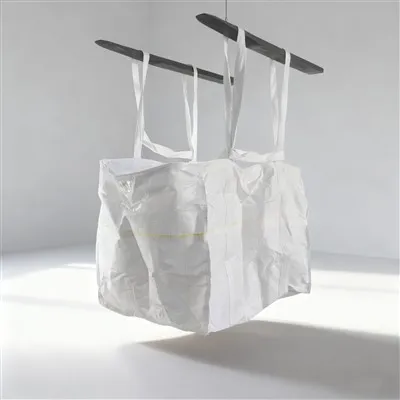
Hey there! I'm a supplier of breathable ton bags, and I know that dealing with damaged ones can be a real pain. But don't worry, I'm here to share some tips and tricks on how to handle those pesky damaged breathable ton bags.
First things first, let's talk about the types of damage you might encounter. There are a few common issues that can happen to these bags. One of the most frequent problems is tears or holes. These can occur due to rough handling, sharp objects, or just general wear and tear over time. Another issue could be a weakened stitching. If the seams start to come apart, it can compromise the integrity of the bag and make it less effective at holding its contents.
So, what should you do when you spot a damaged breathable ton bag? Well, the first step is to assess the extent of the damage. A small tear or hole might be a minor issue that you can easily fix, while a large tear or a significant problem with the stitching might mean the bag is beyond repair and needs to be replaced.
If it's a small tear or hole, you have a few options. One DIY fix is to use a heavy - duty fabric patch. You can find these at your local craft or hardware store. Just cut the patch to a size that covers the damaged area with a little extra around the edges. Then, use a strong fabric glue or sew the patch on. Make sure to follow the instructions on the glue or use the appropriate sewing technique for the fabric of the bag. This should seal the tear and prevent things from leaking out.
Another option is to use duct tape. While it might not be the most aesthetically pleasing solution, it's quick and can be effective for temporary fixes. Just make sure the tape adheres well to the bag's surface. Wrap the tape around the damaged area a few times to ensure a tight seal.
But if the damage is more severe, like a large tear or a lot of loose stitching, it's probably best to replace the bag. Continuing to use a severely damaged bag can lead to spills, which can be a safety hazard and a waste of your product. As a supplier, I always recommend having some extra bags on hand so you're not caught off - guard when a bag gets damaged.
Now, let's talk about some preventive measures. To avoid damage in the first place, proper handling is crucial. When loading and unloading the bags, make sure to use smooth - edged equipment. Rough surfaces or sharp tools can easily cause tears. Also, avoid overfilling the bags. Each bag has a maximum weight capacity, and exceeding this can put stress on the fabric and seams, leading to damage.
Regular inspection is also important. Set up a schedule to check your bags for any signs of wear and tear. Look for small tears, frayed edges, or loose stitching. Catching these issues early can save you from having to deal with a major problem later on.
As a supplier, I offer a range of breathable ton bags to suit different needs. For example, if you're looking for a specific type of bag, check out our Cross Bottom Ton Bag. It's designed with a unique cross - bottom structure that provides extra stability. And if you need a bag for larger - scale applications, our Skip FIBC might be the perfect choice. It's sturdy and can handle heavy loads. We also have specialized options like the Antioxidant Anti - pigmentation Film Toner Package, which is great for products that need extra protection.
If you're in the market for breathable ton bags or have any questions about handling damaged ones, I'd love to chat with you. Whether you're a small business or a large corporation, I can help you find the right solutions for your packing needs. Don't hesitate to reach out for a discussion on your requirements and how we can work together to get the best breathable ton bags for you.


References
- General knowledge of breathable ton bag manufacturing and usage in the industry.
- Experience from dealing with customers' damaged bag issues over the years.