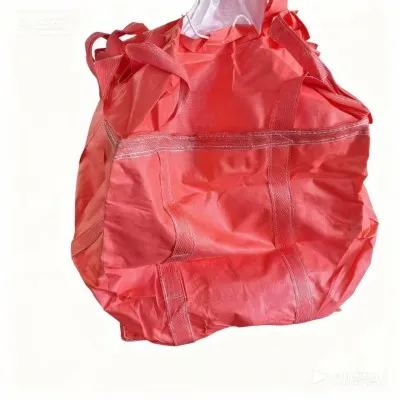
In the realm of bulk packaging solutions, double bottom ton bags have emerged as a popular choice for various industries. As a seasoned supplier of double bottom ton bags, I'm often asked about their resistance to tearing. This question is crucial as the integrity of the bag during storage and transportation can significantly impact the safety and efficiency of handling bulk materials. In this blog, I'll delve into the factors that determine the tear resistance of double bottom ton bags, share insights based on industry knowledge, and discuss how these bags' performance in this aspect makes them a reliable option for businesses.
Understanding Double Bottom Ton Bags
Double bottom ton bags, also known as flexible intermediate bulk containers (FIBCs), are large, reusable bags designed to transport and store dry, flowable products such as grains, chemicals, and minerals. Their double bottom design provides additional strength and stability, making them suitable for heavy loads. The construction of these bags typically involves using woven polypropylene fabric, which is known for its durability and versatility.
Factors Affecting Tear Resistance
Several factors influence the tear resistance of double bottom ton bags. One of the primary factors is the quality of the fabric used in their construction. High-quality woven polypropylene fabric has a tighter weave and is less likely to tear under stress. The thickness of the fabric also plays a crucial role; thicker fabrics generally offer better tear resistance.
Another factor is the manufacturing process. Bags that are well-constructed with proper stitching and seams are less prone to tearing. Reinforced seams and edges can significantly enhance the tear resistance of the bag, especially when handling sharp or abrasive materials.
The design of the bag also impacts its tear resistance. The double bottom design, for instance, distributes the weight of the contents more evenly, reducing the stress on any single point of the bag and thus minimizing the risk of tearing. Additionally, features such as loops and baffles can be designed to reinforce the bag and prevent tearing during lifting and handling.
Testing Tear Resistance
To ensure the quality and performance of our double bottom ton bags, we conduct rigorous testing to assess their tear resistance. One common method is the Elmendorf tear test, which measures the force required to propagate a tear in the fabric. This test provides a quantitative measure of the fabric's tear resistance and helps us ensure that our bags meet or exceed industry standards.
We also conduct real-world testing by simulating various storage and transportation conditions. This includes exposing the bags to different temperatures, humidity levels, and handling scenarios. By observing how the bags perform under these conditions, we can identify potential weak points and make necessary improvements to enhance their tear resistance.
Benefits of High Tear Resistance
Double bottom ton bags with good tear resistance offer several benefits to businesses. Firstly, they provide a higher level of safety during storage and transportation. A bag that is resistant to tearing is less likely to rupture, preventing spills and contamination of the surrounding environment. This is particularly important when handling hazardous or valuable materials.
Secondly, high tear resistance means that the bags can be used multiple times. Reusable bags are not only more cost-effective in the long run but also more environmentally friendly. By reducing the need for single-use packaging, businesses can contribute to a more sustainable future.
Lastly, bags with good tear resistance can withstand the rigors of handling and transportation, ensuring that the contents reach their destination intact. This helps to minimize product loss and damage, improving the overall efficiency of the supply chain.
Comparing with Other Types of Bags
When considering the tear resistance of double bottom ton bags, it's useful to compare them with other types of FIBCs. For example, the 2 Loop FIBC Bag is another popular type of FIBC. While the two-loop design provides a simple and effective way to lift and transport the bag, the double bottom design of our ton bags offers superior tear resistance and stability, especially for heavier loads.
Another comparison can be made with specialized packaging such as the Antioxidant Anti-pigmentation Film Toner Package. While this type of packaging is designed for specific products and offers unique features, it may not have the same level of tear resistance as our double bottom ton bags. Our ton bags are built to withstand the demands of bulk handling, making them a more versatile option for a wide range of industries.


Handling and Storage Considerations
To maintain the tear resistance of double bottom ton bags, proper handling and storage are essential. When loading the bags, it's important to avoid overfilling them, as this can put excessive stress on the fabric and increase the risk of tearing. Sharp objects should also be kept away from the bags to prevent punctures.
During storage, the bags should be kept in a dry, cool place away from direct sunlight. Exposure to UV rays can weaken the fabric over time, reducing its tear resistance. Additionally, the bags should be stored in a way that minimizes the risk of damage, such as stacking them neatly on pallets.
Industry Applications
Double bottom ton bags with good tear resistance are widely used in various industries. In the agricultural sector, they are used to transport and store grains, seeds, and fertilizers. The tear resistance of the bags ensures that the products are protected during transit, reducing the risk of spoilage and contamination.
In the chemical industry, these bags are used to handle a wide range of chemicals, including powders, granules, and liquids. The high tear resistance of the bags provides a reliable barrier against leaks and spills, protecting both the environment and the workers.
The construction industry also benefits from the use of double bottom ton bags. They are used to transport construction materials such as sand, gravel, and cement. The bags' ability to withstand the weight and abrasion of these materials makes them an ideal choice for this industry.
Conclusion
In conclusion, double bottom ton bags have a good resistance to tearing, thanks to the high-quality fabric, robust construction, and well-designed features. Their tear resistance provides numerous benefits, including safety, cost-effectiveness, and environmental sustainability. As a supplier, we are committed to providing our customers with high-quality double bottom ton bags that meet their specific needs.
If you're in the market for bulk packaging solutions and are interested in learning more about our double bottom ton bags, we invite you to The Manufacturer Sells Finely Crafted Bulk Bags For Chemical Raw Materials. Our team of experts is ready to assist you in finding the right packaging solution for your business. Whether you have questions about tear resistance, customizations, or pricing, we're here to help. Contact us today to start a conversation about your bulk packaging needs.
References
- ASTM International. (Year). Standard Test Method for Tearing Strength of Fabrics by the Elmendorf Tear Method. ASTM D1424.
- European Federation of Bulk Packaging Manufacturers (FIBCA). (Year). Guidelines for the Safe Use of Flexible Intermediate Bulk Containers (FIBCs).