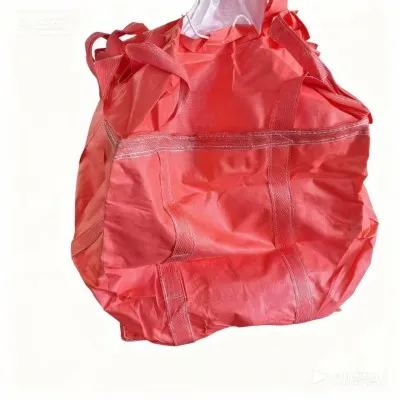
When it comes to transporting liquids, the choice of packaging is crucial. One option that often comes under consideration is the square jumbo bag. As a supplier of square jumbo bags, I am frequently asked whether these bags can be used for liquid transportation. In this blog, I will explore the viability of using square jumbo bags for transporting liquids, considering their design, materials, and potential challenges.
Design and Structure of Square Jumbo Bags
Square jumbo bags, also known as Flexible Intermediate Bulk Containers (FIBCs), are large, flexible containers typically made of woven polypropylene fabric. Their square shape offers several advantages over other types of FIBCs, such as Circular Ton Bags. The square design allows for more efficient stacking and storage, maximizing the use of space in warehouses and transportation vehicles. This is particularly important when dealing with large volumes of liquids, as it can help reduce transportation costs and optimize storage capacity.
The structure of square jumbo bags is designed to provide strength and stability. They are usually equipped with lifting loops or straps, which enable easy handling and transportation using forklifts or cranes. Additionally, some square jumbo bags feature Baffle Bags, which are internal partitions that help maintain the bag's shape and prevent it from bulging or collapsing during filling and transportation. This is especially important for liquids, as it ensures that the bag remains stable and secure, reducing the risk of spills or leaks.


Materials and Liners
The choice of materials is a critical factor in determining the suitability of square jumbo bags for liquid transportation. The outer fabric of the bag is typically made of woven polypropylene, which is a strong, durable, and lightweight material. However, polypropylene is not inherently liquid - resistant, so an additional liner is usually required to prevent the liquid from seeping through the fabric.
There are several types of liners available for square jumbo bags, each with its own advantages and disadvantages. One common type is the polyethylene liner, which is a cost - effective option that provides good chemical resistance and moisture barrier properties. Polyethylene liners can be either seamless or sewn, with seamless liners offering better protection against leaks.
Another option is the co - extruded liner, which is made of multiple layers of different polymers. Co - extruded liners provide enhanced chemical resistance and barrier properties, making them suitable for transporting a wider range of liquids, including hazardous chemicals. However, they are generally more expensive than polyethylene liners.
Advantages of Using Square Jumbo Bags for Liquid Transportation
- Cost - Effective: Square jumbo bags are often more cost - effective than traditional rigid containers, such as drums or tanks. They require less material to manufacture, and their lightweight design reduces transportation costs. Additionally, they can be reused multiple times, further reducing the overall cost of liquid transportation.
- Flexibility: Square jumbo bags are highly flexible and can be easily customized to meet specific requirements. They can be designed in different sizes, shapes, and capacities, allowing for the transportation of various volumes of liquids. Moreover, they can be used in a variety of transportation modes, including trucks, trains, and ships.
- Space - Saving: As mentioned earlier, the square shape of these bags allows for more efficient stacking and storage. This is particularly beneficial when transporting large volumes of liquids, as it maximizes the use of available space in warehouses and transportation vehicles.
- Environmental Benefits: Square jumbo bags are more environmentally friendly than rigid containers. They require less energy to manufacture and transport, and their reusable nature reduces waste generation. Additionally, they can be recycled at the end of their life cycle, further minimizing their environmental impact.
Challenges and Considerations
- Leakage Risk: Despite the use of liners, there is still a risk of leakage when transporting liquids in square jumbo bags. This can be caused by factors such as improper installation of the liner, damage to the bag or liner during handling, or excessive pressure inside the bag. To minimize this risk, it is important to ensure that the bags are properly inspected and maintained, and that the liners are installed correctly.
- Viscosity and Density: The viscosity and density of the liquid being transported can also pose challenges. Highly viscous liquids may be difficult to fill and discharge from the bag, while dense liquids may require stronger bags and liners to prevent sagging or bursting. It is important to consider these factors when selecting the appropriate square jumbo bag for liquid transportation.
- Regulatory Compliance: When transporting liquids, especially hazardous chemicals, it is essential to comply with relevant regulations. Different countries and regions have different regulations regarding the transportation of liquids, including requirements for packaging, labeling, and documentation. As a supplier, it is our responsibility to ensure that our square jumbo bags meet all applicable regulatory standards.
Compatibility with Different Liquids
Square jumbo bags can be used to transport a wide range of liquids, including water, food products, and chemicals. However, the compatibility of the bag and liner with the specific liquid being transported must be carefully considered.
For example, when transporting food products, the liner must be made of food - grade materials that comply with relevant food safety regulations. Similarly, when transporting chemicals, the liner must be resistant to the specific chemical being transported to prevent corrosion or degradation of the liner.
Conclusion
In conclusion, square jumbo bags can be a viable option for transporting liquids, provided that the appropriate design, materials, and liners are selected. Their cost - effectiveness, flexibility, and space - saving features make them an attractive alternative to traditional rigid containers. However, it is important to be aware of the potential challenges and considerations, such as leakage risk, viscosity and density of the liquid, and regulatory compliance.
As a supplier of square jumbo bags, we have the expertise and experience to help you select the right bag and liner for your specific liquid transportation needs. We offer a wide range of square jumbo bags with different sizes, capacities, and liner options to ensure that you get the best solution for your requirements.
If you are interested in using square jumbo bags for liquid transportation or have any questions about our products, please feel free to contact us for a detailed discussion. We are committed to providing high - quality products and excellent customer service to meet your needs.
References
- "Flexible Intermediate Bulk Containers (FIBCs): Design, Testing, and Applications" by various authors in industry - related publications.
- Regulations on the transportation of liquids and hazardous materials from relevant government agencies.
- Technical data sheets provided by liner manufacturers regarding the chemical resistance and properties of different liners.