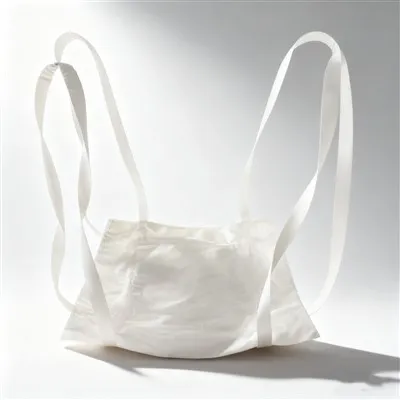
Cleaning PP Bulk Bags after use is simple and convenient, requiring neither complex equipment nor specialised techniques. Select suitable cleaning approaches according to residual‑material types and stain severity. This removes impurities thoroughly while preserving material performance for subsequent reuse. Follow the core principles: dry‑clean first, wet‑clean as supplementary measure, apply mild cleaning agents, and ensure complete drying. Throughout the whole process, avoid damaging polypropylene woven fabric. This set of practices satisfies cleaning needs for bags used with most common materials.
Prioritise dry cleaning for residues of typical dry granules and powder. This is the most convenient, non‑destructive cleaning method. After use, move PP Bulk Bags to well‑ventilated open‑air sites free of dust pollution. Fully open bag mouths, hang bags upside down or lay them flat on the ground. Gently pat bag bodies, bottoms and corner seams so residual granules and dust fall away naturally. For fine dust trapped within woven gaps, sweep using soft brushes or blow with low‑pressure air blowers to achieve full removal. This process needs no water, inflicts no bag‑body damage and delivers high cleaning efficiency.
For slightly damp PP Bulk Bags covered with floating dust and mild stains, carry out partial wet wiping. Prepare clean water and soft cloths. Wring cloths until damp (not dripping), then repeatedly wipe stains and residual marks across inner and outer bag surfaces. Pay special attention to bag bottoms, seams and folds, where impurities tend to accumulate. Repeated wiping removes lightly‑adhered material residues; no detergent is necessary. Do not use laundry powder, dish‑washing liquid, strong‑acid or strong‑alkali cleaning agents. Their chemical components corrode polypropylene fibres, triggering fabric aging, brittleness and fading and impairing subsequent performance.

For a small number of stubborn adhesive stains, only neutral mild cleaning methods are permitted. Treat stains rapidly and ensure sufficient rinsing afterwards. Add a tiny quantity of non‑corrosive neutral detergent to wipe stained areas quickly, then repeatedly wipe away foam residue using clean damp cloths to eliminate leftover chemicals. Do not soak bags for long periods or scrub vigorously. These actions loosen fabric, slacken stitching threads, create partial deformation and damage the original structural and load‑bearing performance of PP Bulk Bags. At the same time, refrain from direct high‑pressure water‑gun washing and harsh brushing to prevent woven‑fibre abrasion.
Drying and post‑cleaning storage have critical impacts on PP Bulk Bag service life and reuse safety. Cleaned bags should air‑dry naturally in cool, ventilated, dry and dust‑free surroundings. Guarantee complete drying of inner‑outer surfaces and corner gaps. Trapped moisture would otherwise cause mildew, microbial growth and fabric aging. Direct sun exposure, open‑flame baking and high‑temperature drying are strictly forbidden. High heat and ultraviolet radiation quickly degrade PP‑material toughness and produce brittleness, aging and cracking. After thorough drying, fold bags flat and stack neatly inside dry, shaded warehouses. Protect against compression, dampness and scratching so bags remain ready for reuse. Such simple, efficient cleaning workflows achieve satisfactory cleaning outcomes and safeguard bag performance to the maximum practical extent.