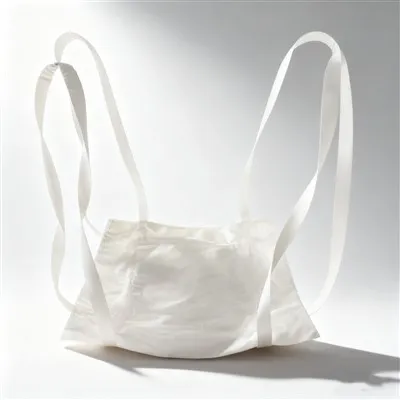
Reusability of Flood Control Sandbags is a practical concern for many users, as it relates to material utilization. Many operators wish to preserve used sandbags for future flood events. Flood Control Sandbags are not strictly single‑use supplies, yet not all used units qualify for unlimited recycling. Reusability is determined primarily by post‑use condition. Cleaning, recovery and storage procedures also decide whether sandbags can maintain original protective performance.
Full visual inspection after flood‑fighting operations is the first step for reuse assessment. Only physically intact sandbags qualify for recycling. Examine entire surfaces, paying special attention to corners and waterline zones where abrasion concentrates. Look for tears, punctures and loose or split stitching. Stones and branches carried by floodwater often create subtle scratches hard to detect without careful observation. Sandbags with holes or rips should not be reused for flood defense. Damage will expand rapidly under water pressure, filler will leak out, and sandbags will lose water‑blocking capability.
Besides visible holes, check for material aging. Sandbags exposed to extended sunlight and water may turn brittle. Cracks appear when bent lightly, and surface layers may flake off. Even without obvious openings, heavily aged sandbags should not be reused. Material strength drops sharply. Sudden rupture may occur under hydraulic stress during flood events and create significant safety risks.
After confirming physical integrity, thorough cleaning is mandatory. Used sandbags are covered with mud, silt and contaminants. Hard residual sediment will abrade bag surfaces during storage if left uncleaned. Rinse sandbags to flush away attached dirt and embedded deposits. Avoid harsh scrubbing or heavy beating, which damages fiber structures and creates invisible weaknesses that may fail in future service.
Complete drying after cleaning is critically important. Never store sandbags while damp. Trapped moisture inside or on surfaces causes material degradation under closed stacked conditions. Humidity together with residual dirt promotes corrosive attachments and shortens service life substantially. Spread sandbags out for full‑ventilation drying until both exterior and interior are completely dry before storage. Minimize prolonged intense sunlight during drying to prevent ultraviolet‑driven aging.
Storage conditions further influence reusability. Keep stockpiles dry, ventilated and off wet ground. Avoid outdoor rain exposure. Prevent excessive stacking pressure. Heavy long‑term compression creates permanent creases that fracture materials under stress in future use. Keep sharp objects away from storage areas to prevent accidental cuts.
Even after thorough inspection, cleaning, drying and proper storage, reused sandbags cannot match the performance of brand‑new units. Soaking and mechanical stress cause material degradation. Performance continues to decline with each reuse cycle. Recycled sandbags fit better for relatively low‑risk scenarios. Evaluate conditions carefully before applying reused sandbags in high‑intensity flood‑defense situations and do not treat them as equivalent to new stock.
Certain used sandbags should not be recycled. Units subjected to violent impact or sustained turbulent scouring may sustain hidden internal damage despite intact appearances and reduced stress tolerance. Sandbags heavily contaminated and impossible to clean thoroughly are also unsuitable for repeated water‑blocking duties.
In practice, many users skip inspection and store used sandbags directly. When flood risk returns, operators discover deteriorated or damaged units unable to perform critical protection tasks. Reusability does not equal infinite recycling. Systematic screening, cleaning, drying and storage enable safe reuse of Flood Control Sandbags. This approach optimizes resource utilization while maintaining flood‑safety standards.