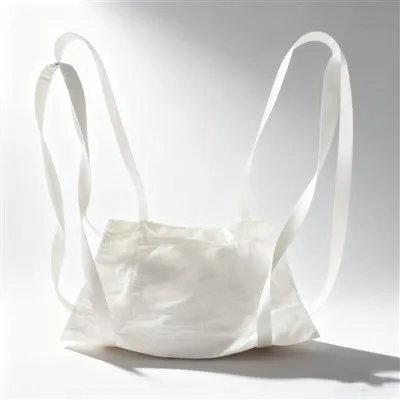
A thorough inspection before using Flood Prevention Sandbags can help identify potential problems before the bags are placed in a flood protection area. The inspection should begin with the overall appearance of the bags. Check each bag carefully for tears, holes, broken seams, excessive wear, deformation, or other visible damage. Even relatively small defects may become more noticeable during transportation, filling, or placement, so damaged areas should not be overlooked.
The seams and edges of the bags deserve particular attention because these areas may experience stress during handling. Check whether the stitching remains intact and whether there are loose sections or openings. If the bag has a closure or fastening area, make sure it can function properly and does not show obvious damage. The purpose of this inspection is to confirm that the bag can hold its filling material securely during normal handling and placement.
The condition of stored Flood Prevention Sandbags should also be evaluated. Bags that have remained in storage for a long period may be affected by moisture, dust, dirt, sunlight, compression, or other environmental conditions. Inspect the surface for signs of deterioration, contamination, or unusual changes in appearance. If the bags have previously been used, check them more carefully because repeated handling may result in wear that is not immediately obvious.

The filling material should also be considered when preparing the bags for use. Make sure the material intended for filling is reasonably clean and suitable for the intended application. If the filling material contains sharp objects or other unwanted debris, it may damage the inside or outside of the bag during filling and handling.
The intended installation area should be inspected before the bags are transported there. Look for sharp stones, broken materials, branches, metal fragments, waste, or other objects that could puncture or abrade the bags. The surface should also be checked for loose or unstable sections that may affect the position of the completed barrier.
The surrounding area should be reviewed as part of the inspection. Identify the locations where water may enter and consider whether the planned placement area provides sufficient space for arranging the Flood Prevention Sandbags. Check entrances, doorways, corners, low-lying areas, drainage points, and other vulnerable sections. This can help users prepare the bags and organize the placement process before water begins to accumulate.
After completing the inspection, separate bags with obvious damage or unsuitable conditions from those that are ready for use. Do not mix questionable bags with properly prepared ones, as this may make it difficult to identify potential problems during installation. Keeping the inspected bags organized can make the subsequent filling, transportation, and placement process more efficient.
Before final placement, conduct one more visual inspection of the bags and the prepared area. Confirm that the bags remain intact and that no new damage has occurred during handling. Also make sure the placement area remains clear and suitable for installation.
In general, a proper pre-use inspection should cover the bag body, seams, closures, filling condition, storage history, filling material, ground surface, surrounding environment, and intended placement area. Taking time to complete these checks can help reduce avoidable problems and ensure that Flood Prevention Sandbags are ready for the subsequent filling and placement process.