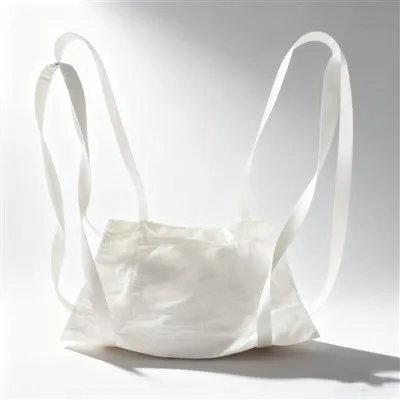
Circular FIBC Bag is mainly made of polypropylene woven fabric. This raw material is sensitive to ultraviolet rays, moisture, high temperature and corrosive gases. Poor storage conditions will embrittle the woven fabric, weaken tensile strength and crack stitching seams, which directly undermine the load‑bearing safety factor and shorten service life. Standardized and scientific storage management can preserve the original mechanical performance of Circular FIBC Bag to the maximum extent, increase recycling cycles and reduce corporate packaging procurement costs. Empty Circular FIBC Bag and material‑filled Circular FIBC Bag shall be managed separately with differentiated storage requirements.
Storage environment constitutes the fundamental prerequisite. Both empty and filled Circular FIBC Bag shall be kept in cool, dry, ventilated and clean indoor warehouses. Outdoor storage is strictly prohibited. Ultraviolet rays in sunlight continuously damage polypropylene polymer molecular structures. Short‑term exposure causes discoloration, while long‑term outdoor placement embrittles bag bodies and leads to easy tearing during hoisting. Rainwater and ambient condensation dampen bag bodies, corrode stitching threads, breed mold and accelerate component failure. Never place Circular FIBC Bag directly on warehouse floors. Pallets or base plates shall be laid to isolate ground moisture and avoid scratches from sharp ground debris. Warehouses shall maintain ambient temperature and stay away from high‑temperature heat sources such as boilers and heating equipment, as high temperature softens woven fabric and impairs bag‑body strength.
Pre‑storage treatment and stacking control are required for idle empty Circular FIBC Bag. Before warehousing, thoroughly remove residual dust and particle debris inside bag cavities. Units contaminated with oil stains or corrosive residues shall be wiped clean and fully air‑dried. Residual impurities will mildew during long‑term storage and cause secondary corrosion to bag bodies. After cleaning, fold Circular FIBC Bag flat, gather lifting loops and drawstrings and place them tidily. Forcibly twisting or sharp folding and squeezing bag bodies shall be avoided. Stack by specifications and condition grades with identification labels for convenient access. Stacking height shall not be excessive; 2 meters is the recommended limit. Excessive stacking generates sustained pressure on bottom‑layer bags and triggers material fatigue and hardening, which harms hoisting load‑bearing performance in subsequent usage. Acids, alkalis, chemical solvents and other corrosive materials shall not be stored in the same warehouse, to prevent woven‑layer erosion from volatile corrosive gas.
Material‑filled Circular FIBC Bag follows separate operational standards for storage. Filled Circular FIBC Bag must stand vertically on pallets. Lying‑flat, tilted or inverted placement is forbidden. Uneven internal material pressure under such conditions deforms bag bodies, splits seams and triggers material leakage. Reserve ventilation gaps between stacked bags as well as access and fire‑escape passages. Dense over‑height stacking is prohibited. Filled Circular FIBC Bag shall not be stacked more than three layers high to prevent collapse caused by heavy upper‑layer load. For Circular FIBC Bag holding moisture‑prone materials such as grain and feed, confirm tight sealing of bag openings. Dehumidifying equipment may be deployed in warehouses to adjust ambient humidity. Circular FIBC Bag containing chemical waste shall be stored in isolated zones and must not be mixed with Circular FIBC Bag loaded with grain raw materials to avoid cross‑contamination risks.
Maintenance and periodic inspection shall be implemented throughout storage periods. Warehouses shall be ventilated regularly to improve internal air conditions and restrain mold growth under closed high‑humidity circumstances. Establish inspection routines to check Circular FIBC Bag status. Focus on signs of dampness, mildew, surface scratches and aging or cracking lifting loops. Damaged and invalid Circular FIBC Bag shall be isolated and must not be mixed with qualified units for operation. Long‑term stored Circular FIBC Bag shall be turned over periodically to prevent material hardening from prolonged static compression. Strict fire‑safety management shall be enforced in warehouses. Open flames and smoking are banned and fire‑fighting equipment shall be fully equipped to eliminate fire hazards. Through complete workflows including environment control, categorized stacking and regular inspection, storage safety of Circular FIBC Bag is guaranteed and reliable performance is secured for subsequent operations.

 English
- Português
- Deutsch
- Français
- русский
- Български
- Nederlands
- 日本語
- Türkçe
- O'zbek
- اردو
- Ελληνικά
- Català
- magyar
- Svenska
- Lietuvių
- Việt Nam
- 한국어
- Español
- Italiano
- عربي
- Čeština
- ไทย
- Eesti
- Gaeilgenah Éireann
- Bai Miaowen
- íslenska
- Cymraeg
- Polski
- hrvatski
- українська
- bosanski
- فارسی
- Latviešu
- עברית
- România limbi
- dansk
- Norsk
- suomi
- slovenčina
- slovenščina
- हिंदी
- Indonesia
- Melayu
- Malti
- Kreyòl Ayisyen
- বাংলা
- Srbija jezik (latinica)