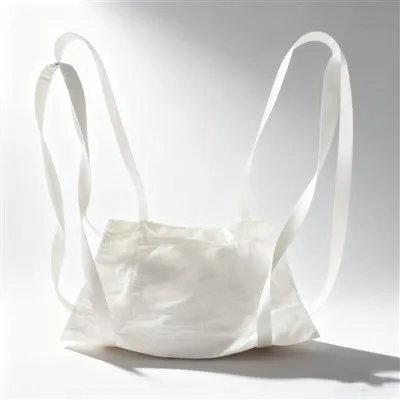
The way a Pallet Sling Bag is stored directly affects its material condition, structural integrity, and performance during subsequent use. Even if the bag shows no obvious signs of damage during operation, prolonged exposure to moisture, direct sunlight, contamination, or excessive compression may cause fabric deterioration, coating degradation, mold growth, or localized deformation. Therefore, whether the bag is temporarily idle, awaiting reuse, or being stored for an extended period, appropriate storage measures should be taken according to its material characteristics and intended application.
First, choose a clean, dry, and well-ventilated storage environment. Pallet Sling Bags are generally made from flexible fabrics and related connecting components. Prolonged exposure to damp conditions may increase the risk of mold, unpleasant odors, and changes in material performance. The storage area should therefore be protected from leaks, standing water, and persistently high humidity, with adequate air circulation maintained. If the warehouse is particularly damp, improve ventilation and inspect the roof and walls for water leakage to minimize the effects of moisture on the bag. The storage area should also be kept clean to prevent dust, oil, and other contaminants from accumulating on the surface.
Second, clean and dry the Pallet Sling Bag thoroughly before storage. After use, remove dust, particles, and other residual materials promptly, and inspect the surface for visible stains. If wet cleaning has been performed, make sure the bag is completely dry before folding or packaging it. Bags that have come into contact with liquids, damp materials, or substances likely to leave residue require particular attention. Carefully inspect folded sections, seams, and contact surfaces to ensure that no moisture or material residue remains trapped inside. Storing a bag before it has dried completely may cause moisture to remain trapped for an extended period, increasing the risk of mold and unpleasant odors.
Third, use an appropriate folding and placement method. If the Pallet Sling Bag is designed to be folded, arrange it according to its structural characteristics. Avoid forceful twisting, repeated pulling, or creating deep creases in concentrated areas. Do not use sharp tools to assist with folding, and avoid tightening straps or ties so firmly that the fabric remains under excessive tension for long periods. For bags that should not be folded or need to retain a particular shape, consider storing them flat or using suitable support. Regardless of the method chosen, avoid placing unnecessary pressure on seams, connecting sections, and load-bearing surfaces.
Finally, establish a regular inspection and classification system. Even when a Pallet Sling Bag is not in use, periodically inspect both the storage environment and the bag itself for dampness, mold, unusual odors, fabric deterioration, loose connections, and other abnormalities. If any problems are identified, separate the affected bag from other stored items and arrange appropriate cleaning, inspection, or corrective action. Before returning the bag to service, confirm that prolonged storage has not caused damage that could affect its normal use. Through standardized storage practices, appropriate placement, environmental control, and regular inspections, unnecessary deterioration during periods of inactivity can be minimized, the service life of the Pallet Sling Bag can be extended, and the bag can be kept in good condition for future use.