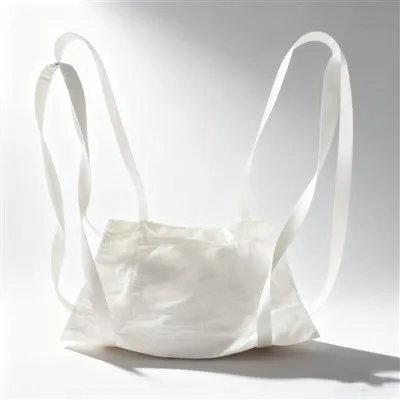
A Coated Bulk Bag is a packaging product made from woven fabric with an additional coating on its surface. It is widely used for packaging and transporting powders, granules, and other bulk materials. During transportation, materials may be exposed to dust, rainwater, mud, and other contaminants. If the packaging does not provide adequate protection, or if the bag has damaged areas, gaps, or an improperly sealed opening, the contents may become contaminated. By improving the barrier properties of the bag's surface, a Coated Bulk Bag can help reduce these risks.
First, the coating helps prevent external dust from entering the bag. Ordinary woven bulk bags offer good load-bearing capacity, but their woven structure may contain small gaps. The coating covers some of these openings and creates a more continuous surface, reducing the likelihood of external dust and contaminants entering the package. This feature can help protect materials such as mineral powders, chemical raw materials, and plastic granules, helping maintain their cleanliness during transportation.
Second, a Coated Bulk Bag can help reduce powder leakage. During transportation, vehicle vibrations, handling impacts, and friction may cause materials to escape through weak points in the packaging. The coating improves the surface barrier and reduces the risk of fine particles passing through the fabric. However, the coating cannot replace secure stitching and a reliable closure design. For fine powders with high flowability, an appropriate bag structure should be selected, and the opening, seams, and bottom should be inspected carefully.
Third, the coating provides a certain level of moisture protection. During transportation, exposure to rain, mist, or high humidity may affect material quality. An intact coating reduces direct contact between water droplets and the woven fabric, helping lower the risk of moisture damage. However, a standard Coated Bulk Bag is not necessarily completely waterproof or airtight. Moisture may still enter through the opening, seams, or damaged areas. Materials that readily absorb moisture or form lumps when wet may therefore require additional rain protection and suitable sealing measures.
In addition, pre-use inspections and proper transportation management are essential. Before filling, ensure that the bag is clean and dry and has no holes, significant wear, or unusual odors. During filling, prevent the materials from coming into contact with the ground or other potential sources of contamination. Once filling is complete, close the opening securely. During transportation, use a clean supporting surface and provide rain protection when necessary. Avoid prolonged exposure to rainwater, mud, and other contaminants.
If a bulk bag is intended for reuse, check for residues from the previous load and confirm that the previous and current materials will not cause cross-contamination. For materials with strict hygiene requirements, select packaging appropriate for the intended application. The presence of a coating alone does not mean that the bag is suitable for every type of material.
Overall, a Coated Bulk Bag can help reduce contamination risks during transportation by limiting dust exposure, providing moisture protection, and reducing material leakage. Combining suitable packaging with proper filling, closure, handling, and transportation practices provides more effective protection for material quality.