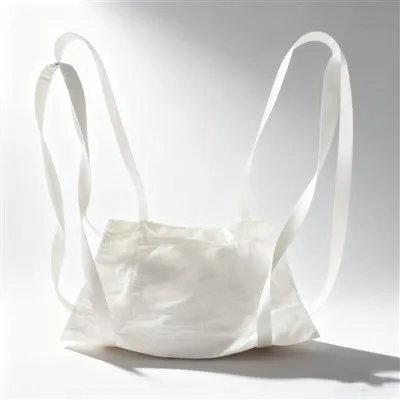
Genuine special‑purpose Flood Control Sandbags feature excellent soaking‑resistance, moisture tolerance and corrosion resistance. They seldom crack, tear or leak under regular flood‑control immersion conditions. Service life and waterproof performance match typical flood‑season operational requirements. Susceptibility to water‑induced damage depends mainly on fabric material, manufacturing quality and immersion duration. Large performance gaps exist between substandard cheap products and standard‑compliant flood‑control sandbags.
High‑grade Flood Control Sandbags deliver strong soaking‑resistant capability. Units widely adopted by municipal authorities, property operators and emergency‑response agencies are made of heavy‑weight oxford fabric or high‑density canvas finished with professional waterproof and anti‑aging coatings. These specialty textiles maintain stable physical properties. Waterproof coatings block liquid penetration while fiber structures avoid softening, decomposition and rotting upon wetting. Practical testing verifies that premium sandbags remain structurally intact without cracking, leaking or coating delamination after 72‑120 hours of continuous immersion in ambient‑temperature ponding. Reinforced waterproof stitching prevents seam failure under water exposure. Fabrics also resist mildew and degradation by silt‑laden floodwater contaminated with minor impurities. After immersion and proper drying, these sandbags remain fit for repeated reuse with robust water‑resistant characteristics.

Low‑grade sandbags suffer rapid deterioration when soaked. Many low‑cost marketplace sandbags are constructed from thin non‑woven fabric, lightweight woven material or single‑ply cloth lacking waterproof coatings and reinforced stitching. These products cannot withstand sustained water exposure. After merely three to six hours of immersion, textiles absorb water rapidly, soften and lose tensile strength. Soaking exceeding 12 hours brings fabric rupture, cracking, water permeation and seam separation. In severe cases, complete disintegration eliminates all water‑retaining capacity. Ordinary uncoated cloth sandbags are prone to mildew and rot after one‑time soaking and become non‑reusable, representing high‑risk failure‑prone supplies for flood‑control work.
Certain special‑condition wear patterns also deserve attention. Even premium Flood Control Sandbags are not indestructible indefinitely. Continuous immersion exceeding seven days, long‑term exposure to corrosive sewage, or combination of high‑temperature sun exposure followed by water soaking will gradually degrade and peel waterproof coatings, reduce fabric toughness and cause partial embrittlement and abrasion. Repeated service may eventually produce damage. In addition, soaked sandbags face elevated breakage risks if scratched by sharp debris or pounded by forceful currents, yet such failures stem from mechanical impact rather than water action alone.
Sand‑soil filling does not impair bag‑body soaking resistance. On the contrary, fill material supports bag geometry and lessens fabric tensile stress. Standard‑stocked heavy‑specification Flood Control Sandbags easily endure full‑flood‑season immersion without premature breakdown. To summarize, qualified Flood Control Sandbags are waterproof, soaking‑resistant and robust enough for emergency flood‑control tasks. Cheap ordinary cloth sandbags lack soaking resistance and break readily and must never be deployed for flood‑control work to prevent catastrophic protective‑system failure.